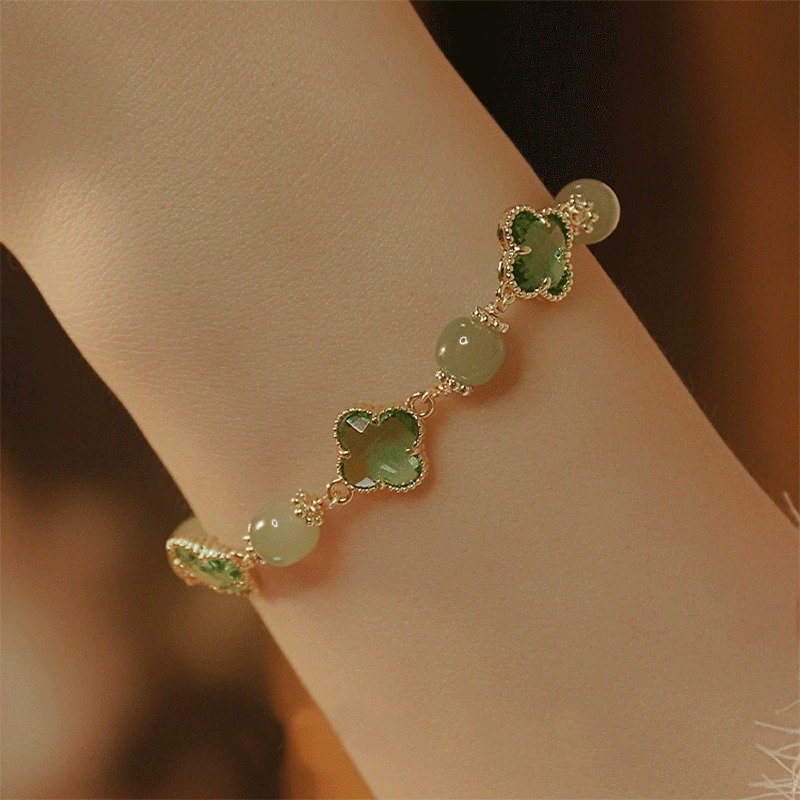
Spring Equinox Feng Shui can be approached as a personal pause at a seasonal turning point. Chunfen, the Chinese name for the Spring Equinox, is one of the 24 solar terms. A modest seasonal reset can help you notice your space and choose a fresh start. These steps are not a way to forecast financial or personal outcomes; they are prompts for reflection and everyday care.
The Spring Equinox and Feng Shui
The 24 solar terms are a traditional calendar system that describes seasonal changes through the year. The Spring Equinox usually falls around March 20 or 21. In Chinese communities, seasonal customs vary by region and family. Some people mark the time with outdoor activities, seasonal foods, or a home refresh.
Feng Shui is a traditional practice concerned with the relationship between people and their surroundings. Schools and interpretations differ. Here, a seasonal reset means practical, modest choices that make a room feel more considered—not a method for controlling fate or guaranteeing a result. For background on Spring Equinox customs, see this Beijing municipal overview of the solar term.
Three gentle ways to mark the season
1. Refresh one surface
Choose a desk, bedside table, or entryway shelf. Put away items you no longer need there, wipe the surface, and return only what serves the room. A small, finished task can feel more satisfying than turning a seasonal reset into a demanding whole-home project.
2. Notice how the room supports your routine
Ask whether the lighting, storage, and walking space make your daily habits easier. Move a lamp, clear a path, or place frequently used items where they are simple to reach. Treat these as practical design decisions, not rules that promise prosperity or other outcomes.
3. Choose one intention and one action
Write a quality you want to practice this season—patience, clarity, generosity, or focus. Then pair it with a small action: schedule a conversation, set aside time for a project, or take a short walk. A meaningful intention becomes more useful when it connects to a choice you can make.
Wear a symbol as a personal reminder
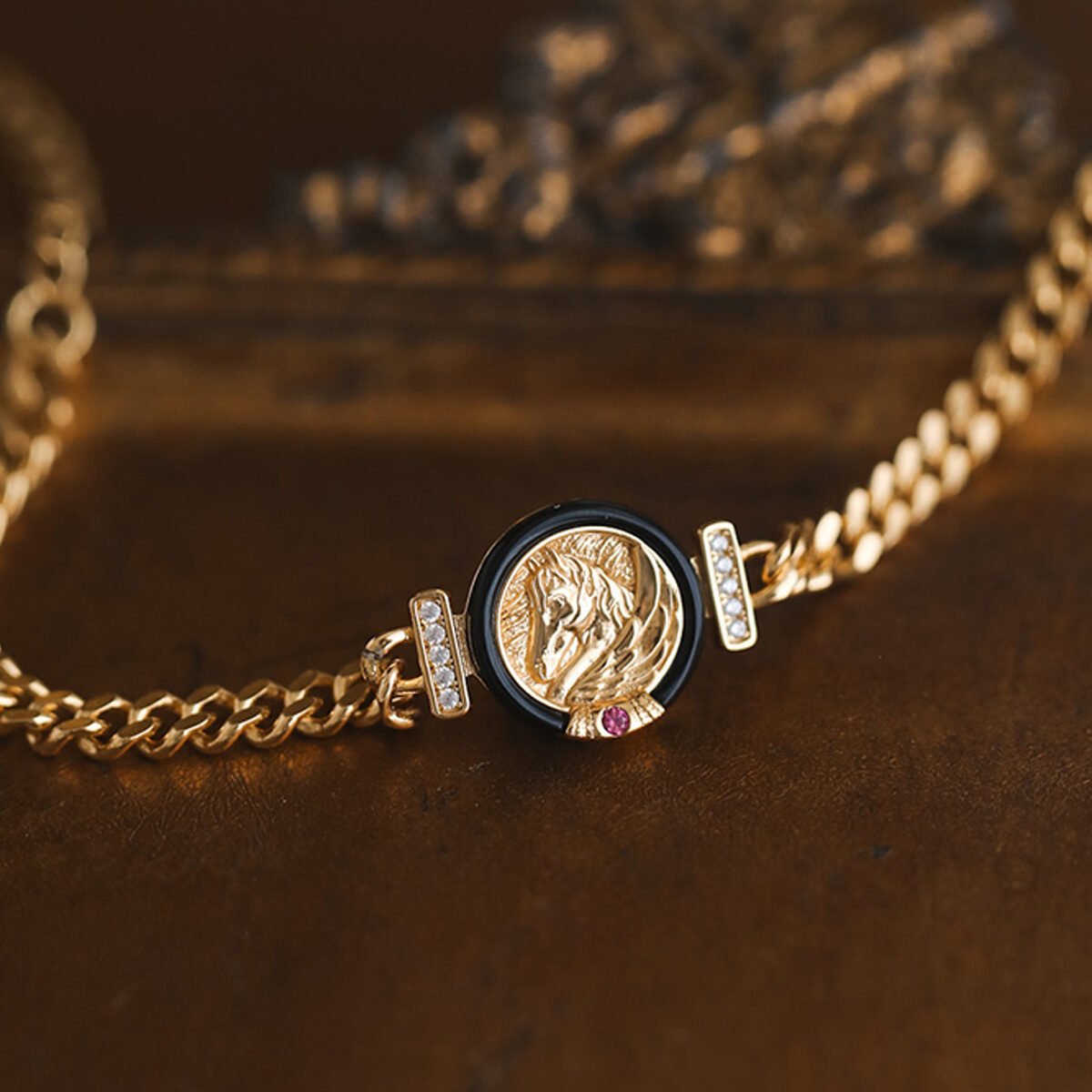
A bracelet can serve as a tactile cue to return to an intention you have chosen. Its meaning is personal; a gemstone or symbol does not guarantee a particular outcome. If you enjoy wearing jewelry as a reminder, choose a piece for its materials, design, and the thought you associate with it. For more on symbolic jewelry, read our Feng Shui bracelet meaning guide.
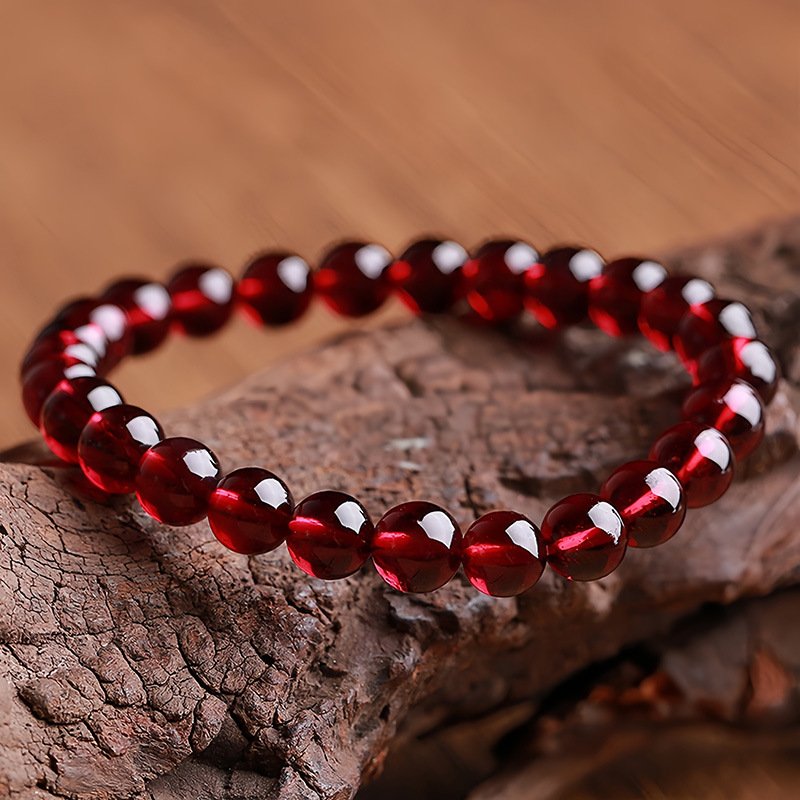
For a warm, red-brown palette, see the Red Garnet Bracelet. For a gold-tone design, explore the Gold Feng Shui Bracelet. These descriptions refer to style and symbolism, not promised results.
A simple five-minute reset
- Choose one small area in your home.
- Clear and clean it using materials suitable for the surface.
- Pause to name one quality you want to carry into the coming weeks.
- Write down one action that expresses that quality.
- Return a few useful or beautiful objects to the space and move on with your day.
The purpose is not to make a perfect room. It is to create a brief, intentional pause at a seasonal transition.
Frequently asked questions
What is Chunfen?
Chunfen is the Chinese name for the Spring Equinox, one of the traditional 24 solar terms. Its date is usually around March 20 or 21, and customs differ across regions and households.
Does Feng Shui guarantee a certain result?
No. Feng Shui is a traditional practice with varied interpretations, and this article presents a personal reflection routine. It does not promise specific financial, health, or life outcomes.
Do I need a bracelet for a seasonal reset?
No. A quiet pause, a written intention, or a small act of care for your home is enough. Jewelry is optional and can simply serve as a personal reminder.