A spring reset can begin with one small space and one routine that would make ordinary days easier. You do not need to reorganize your entire home or begin a new set of goals at once. This guide focuses on practical surroundings: where everyday items belong, how you move between tasks, and which details you want to notice as the season changes.
A little cultural context for a spring reset
The Art Institute of Chicago’s introduction to Taoist cosmology describes Wood and spring as connected within the traditional Five Phases framework. That association offers a cultural language for growth and renewal. It is not a forecast of your mood, finances, or the events of a particular month.
For the seasonal calendar itself, see our Spring Equinox and Chunfen guide. Here, the emphasis is on the spaces and routines you actually use.
Start with one space you use every day
Choose an entry shelf, a desk corner, a bedside surface, or the place where you keep your jewelry. Pick an area that causes a specific inconvenience: you cannot find your keys, yesterday’s papers cover the working space, or accessories tangle when you put them away.
- Name the purpose. Decide what needs to happen in that space: leave the house, begin a task, get ready, or store something safely.
- Remove what gets in the way. Return unrelated items to a suitable place instead of moving the entire pile to another surface.
- Give essentials a home. Keep the things needed for that purpose together and easy to reach.
- Check the result in use. Walk through the ordinary action and notice whether the arrangement makes sense for you.
For example, an entry area might need room for keys, a bag, and tomorrow’s essentials. A desk may need a clear patch for the task in progress rather than an elaborate decorative arrangement. Use the space you have, and keep costs and access in mind.
Refresh the transitions in your daily routine
A reset becomes useful when the arrangement supports a real moment in the day. Choose one transition that regularly feels hurried, then make the next step easier to see.
- Before leaving home: put the items you already know you need in their agreed place.
- Before starting work: clear the surface required for the first task and set out its materials.
- After arriving home: return frequently used items to their place so they are available next time.
- Before storing jewelry: wipe and put away the piece according to its material-specific care instructions.
These are examples, not a required morning or evening ritual. Adapt them to your household, responsibilities, and working hours. The point is to remove a small recurring inconvenience, rather than add more rules to follow.
Let the room reflect the way you live now
As clothing, weather, and schedules change, some storage choices may need adjusting. Move frequently used items within reach, check whether a walking route is clear, or decide which surface should stay available for a task. Follow the actual needs of the people using the room.
Natural textures, an uncluttered corner, or an object with personal meaning can also make an arrangement feel like yours. Their value is aesthetic or personal. No required direction, gemstone, or display arrangement can guarantee good fortune.
Choose a small personal reminder
If you enjoy a symbolic routine, connect an object to a simple action: “When I put this away, I will prepare what I need for tomorrow.” At BFL, our cultural story draws inspiration from Foshan, Mount Xiqiao, and Guanyin traditions. That background can give a piece personal meaning while practical routines remain your own choices.
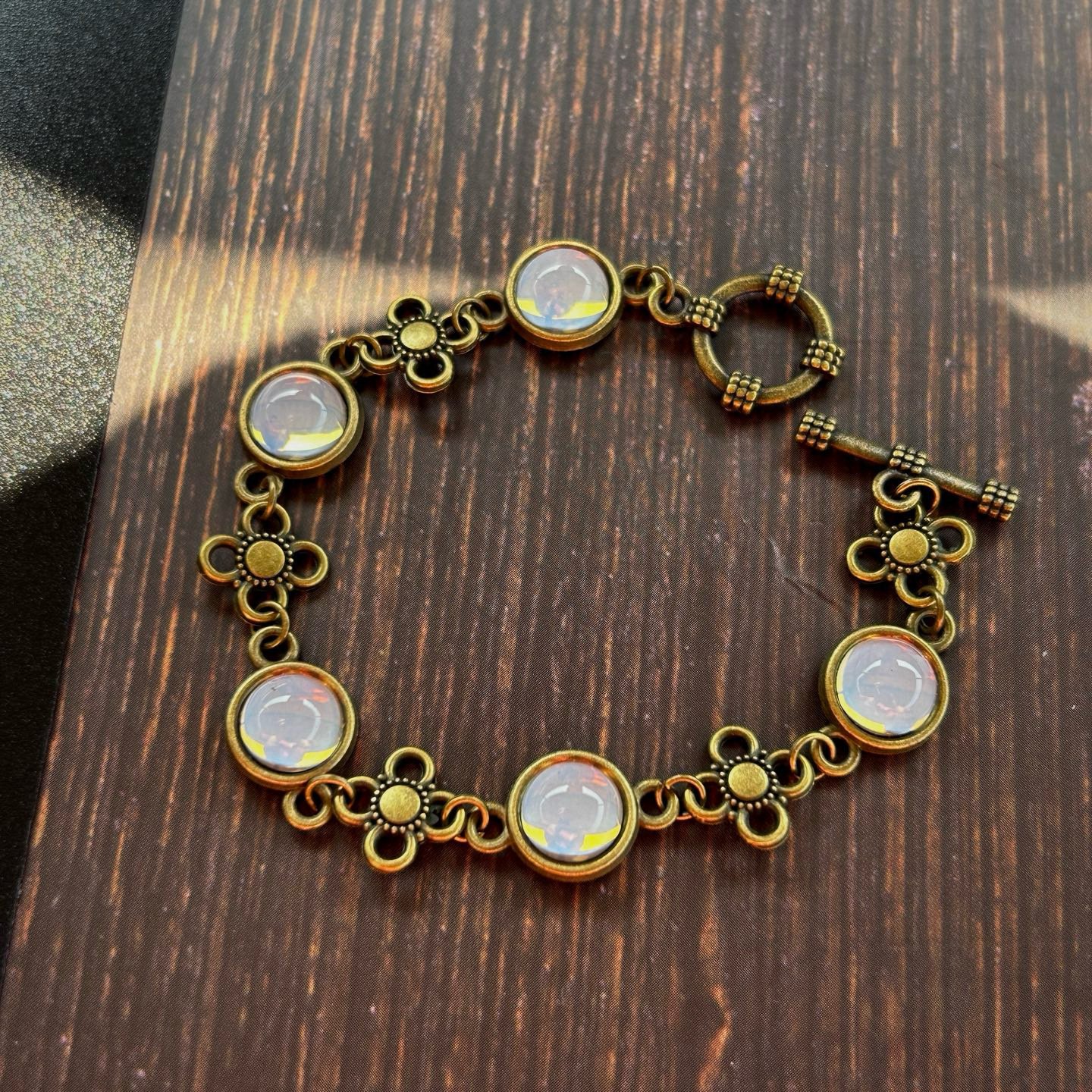
A natural red garnet bracelet offers a deep wine-red accent; a copper horse charm bracelet offers a different material and motif. Compare their live listings for fit, composition, and care. Choose by the design you enjoy, without expecting jewelry to change your circumstances.
Keep jewelry storage dry and follow the directions for the specific stones, metal, and finish. Our crystal bracelet care guide separates practical cleaning from symbolic practices. For other styles, browse the BFL shop.
Review the arrangement after using it
After several ordinary days, ask whether the change reduced the inconvenience you identified. Is the item easier to find? Does the surface remain usable? Does the routine fit the people who share the space? Adjust what is awkward and keep what serves its purpose.
If your next step is to review commitments rather than rearrange a space, use our separate spring reflection guide to goals and next steps. It includes a decision framework and a reusable action-plan template.
Frequently asked questions
Does a spring reset need a full-home declutter?
No. One area with a clear purpose is enough to begin. Choose a manageable change that fits your space, budget, and daily activities.
Do I have to reset on a particular spring date?
No. A seasonal date can be a personal prompt, but there is no required day or deadline. Choose a time that works for your circumstances.
Will a bracelet or Feng Shui arrangement bring better luck?
Neither should be promised to control outcomes. You can value a design, cultural association, or personal reminder while judging a practical change by how it works in everyday use.