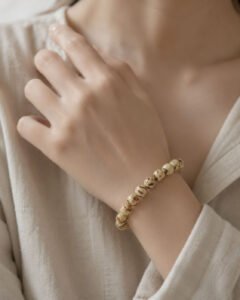
An MBTI bracelet guide can be a fun way to explore personal style, as long as the four-letter result stays a prompt rather than a rule. Choose a bracelet for its design, comfort and meaning to you—not because a personality type supposedly needs a certain stone or promises success. This guide compares four familiar motifs and gives practical steps for fit, care and choosing a piece you will actually wear.
Use MBTI as inspiration, not a shopping rule
The Myers-Briggs Type Indicator describes preferences; it does not determine a person’s ability, intelligence, career success or future. Its official ethical guidance also cautions against labeling people or treating a type as an absolute. If you enjoy personality frameworks, use yours to ask a low-pressure question: do you prefer a simple piece, a colorful accent, a traditional symbol or a design with a story? Your taste can change, and no type has one correct bracelet.
For a fuller explanation, see the official MBTI Code of Ethics. The ideas below are styling suggestions only. A bracelet can be a personal reminder or meaningful accessory, but it cannot reliably change luck, protect someone, or produce a career or financial result.
Choose a motif by the look and meaning you enjoy
Rather than assigning bracelets to personality categories, start with the symbols that appeal to you. Interpretations differ between families, regions and traditions, so treat them as cultural or personal meanings—not guarantees.
Pixiu: a traditional Chinese-inspired symbol
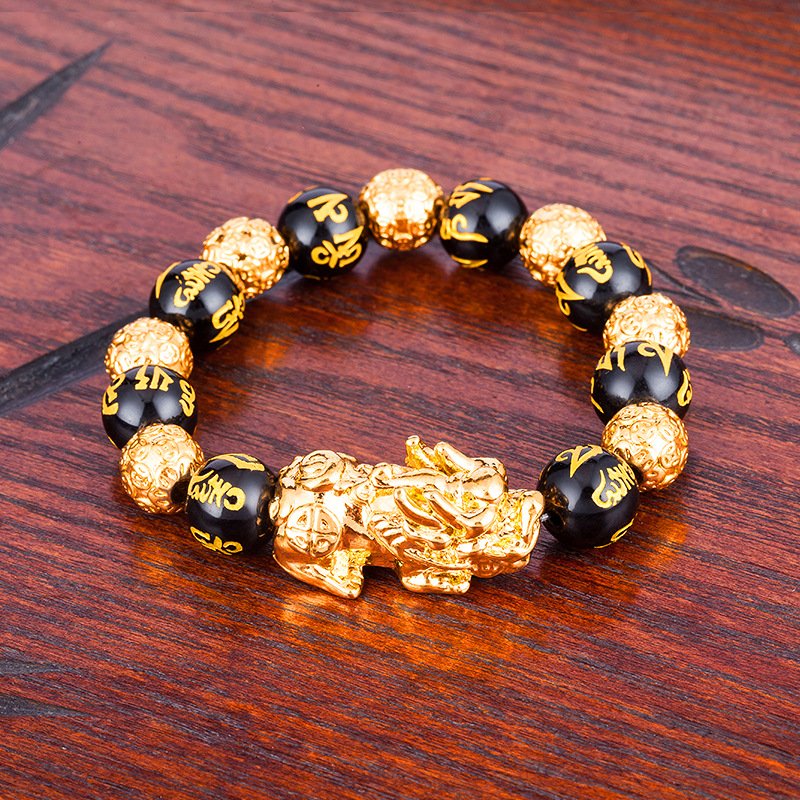
Pixiu is a legendary Chinese creature often used in decorative objects and contemporary Feng Shui-inspired jewelry. Some popular traditions associate it with auspicious fortune; that symbolism is a matter of belief, not evidence that a bracelet will bring wealth. If you like the mythical guardian shape or its bold focal-point look, explore the Pixiu bracelet design and check the product page for its current materials and care details.
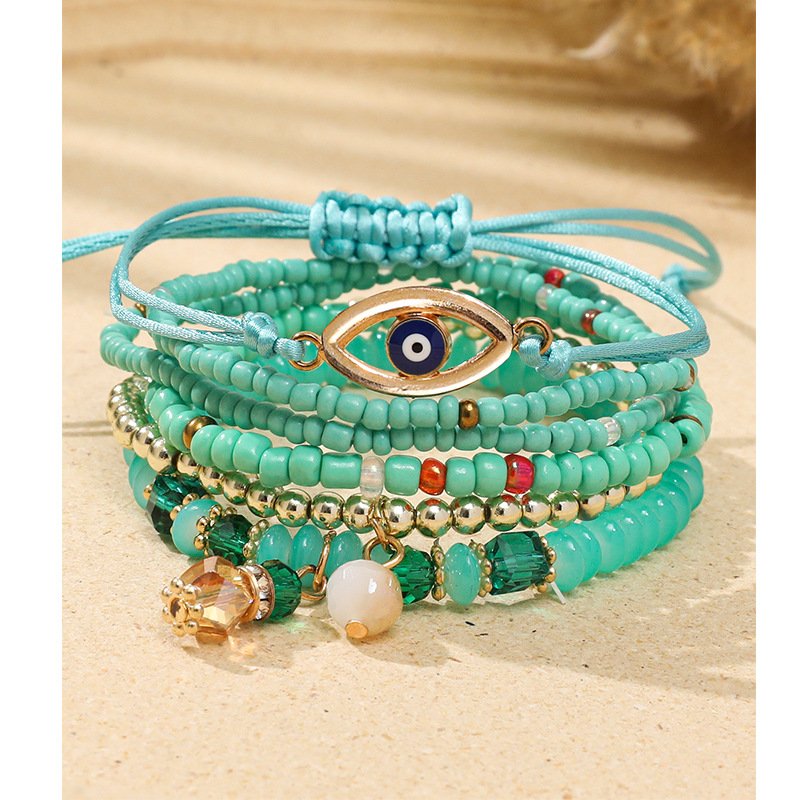
Turquoise color: a bright everyday accent
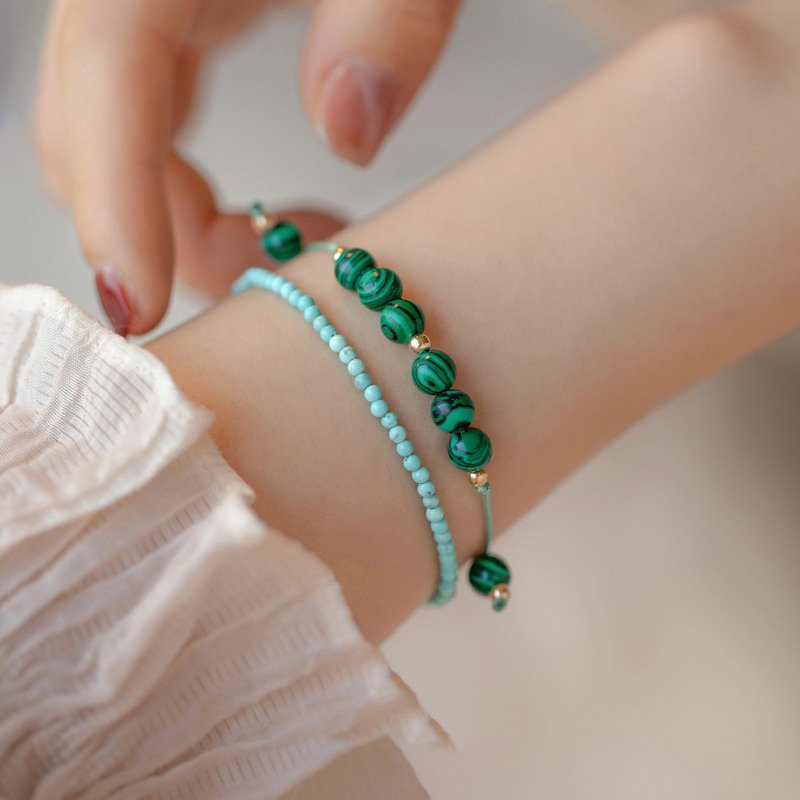
If you are drawn to vivid blue-green color, a turquoise-inspired design can make a simple outfit feel more expressive. Choose it because you enjoy the shade and how it pairs with your clothes; avoid assuming that a color or stone will automatically improve mood or attract good luck. View the turquoise bracelet for the specific product description before deciding whether it suits your preferences.
Clover: a familiar good-luck motif
Clover shapes are widely used in jewelry as a cheerful emblem of luck and optimism. People may choose the motif for a personal association, a gift or simply its soft, recognizable outline. Those meanings are symbolic: wearing a clover bracelet does not control events. Compare the clover bracelet with the pieces you already wear and consider whether its scale and finish fit your wardrobe.
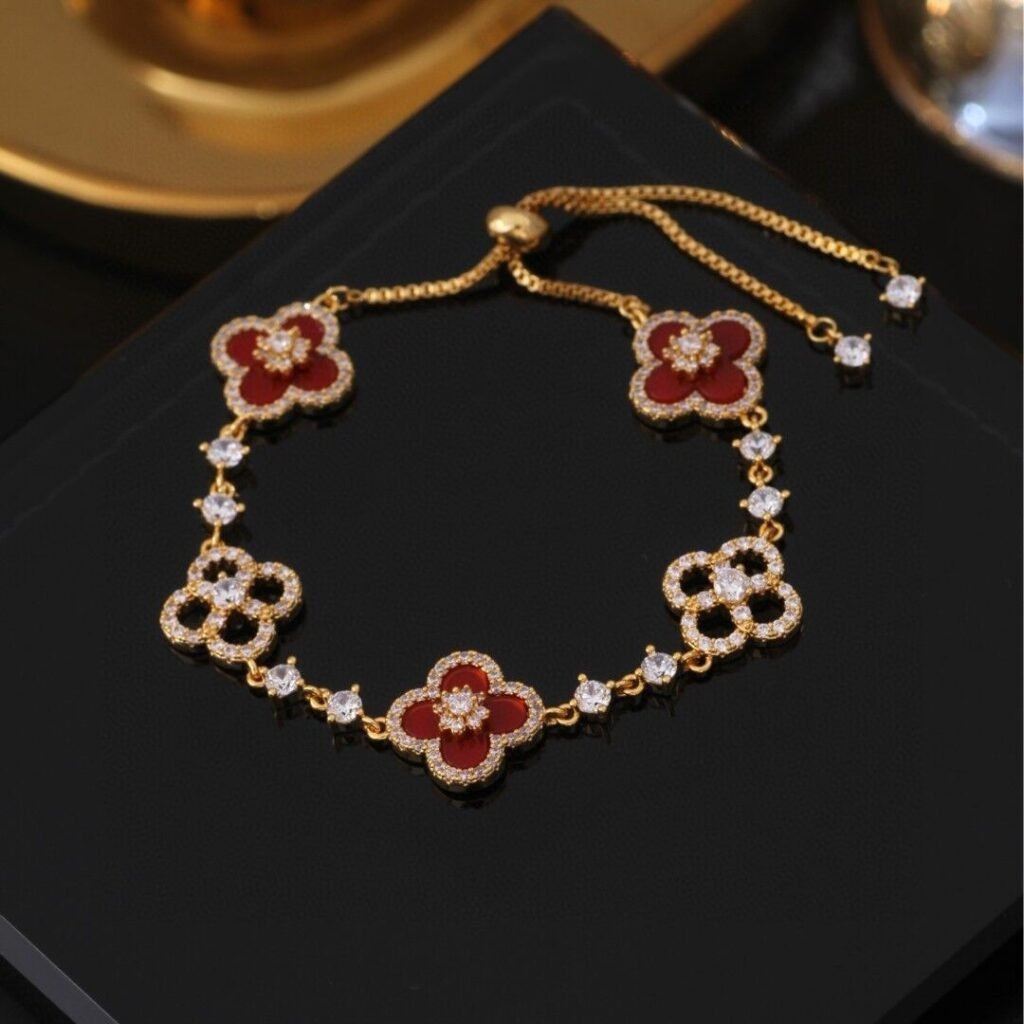
Eye motif: a symbol with different cultural readings
Eye-shaped charms appear in a range of cultural traditions and can carry different meanings. Some people wear them as a familiar protective symbol; others like the graphic shape and color. A piece of jewelry cannot guarantee protection, so choose this design for its appearance or the meaning you personally attach to it. See the eye motif bracelet and review the current product details.
A five-step way to choose your bracelet
- Start with your wardrobe. Look at the colors and jewelry you reach for most. A bracelet that works with your everyday clothes is more likely to become part of your routine.
- Pick one design detail. Decide whether you want a small charm, a bold centerpiece, a colorful accent or a more understated shape. This is often more useful than matching a symbol to a type label.
- Choose a meaning you understand. Read how the motif is described, and consider whether that meaning resonates with you. Traditions are diverse; a symbol need not carry the same meaning for everyone.
- Check product specifics. Confirm materials, clasp or cord style, dimensions and care instructions on the individual listing. If a detail is not stated, do not assume it.
- Think about comfort and use. Consider when you plan to wear it, whether it may catch on sleeves, and whether its design suits your daily activities. A meaningful bracelet should still feel comfortable.
Find a comfortable fit
Measure around the wrist where the bracelet will sit, using a flexible tape or a strip of paper. Keep it close to the skin without pulling tight, then compare the measurement with the product’s listed size. For a relaxed fit, allow a little room for movement; for a closer fit, allow less. The right amount depends on the bracelet style and your comfort.
If a listing offers one size or does not give measurements, check the available fit information before ordering. Avoid guessing from a product photo: camera angle and wrist size can change how a bracelet appears. If you have sensitive skin, verify the stated materials and stop wearing the piece if irritation occurs.
Care for a bracelet with unknown materials
Follow the care instructions on the specific product page, because finishes, cords, stones and metal components may need different handling. When instructions are not available, a cautious routine is to remove jewelry before showering, swimming, exercise or applying lotion and fragrance. After wearing it, gently wipe it with a soft, dry cloth and store it separately to reduce tangling and scratches. Do not use harsh cleaners or soak a piece unless its materials and care guidance allow it.
Frequently asked questions
Does my MBTI type determine which bracelet I should wear?
No. Use MBTI only as a light prompt for reflecting on preferences. Any type can enjoy any motif, and your own comfort, taste and product needs are better guides than a type-based rule.
Can a Feng Shui bracelet change my luck or protect me?
There is no reliable basis for promising that a bracelet will change outcomes or provide physical protection. Feng Shui-inspired symbols may be meaningful as cultural references or personal reminders; their effect on events is a matter of belief.
How do I know what size to choose?
Measure your wrist and compare it with the dimensions and fit notes on the product listing. If the listing does not provide enough sizing information, check before ordering rather than estimating from an image.
How should I clean my bracelet?
Use the care guidance for that exact design. When materials are unclear, keep it dry, wipe gently with a soft cloth, and avoid soaking or harsh cleaners until the product instructions confirm what is safe.