Want to improve your luck? You cannot control every outcome, but you can shape some of the conditions around it: what you learn, how you prepare, where you show up, and whether you act when an opening appears. Think of luck as a mix of chance and readiness, not a force a bracelet can promise to change. This guide offers practical habits for creating more opportunities and explains how a charm bracelet can serve as a personal reminder.
What people mean by luck
People often use the word “luck” for unexpected opportunities, helpful encounters, or timing that works in their favor. Chance is real, and setbacks do not prove that someone has the wrong mindset or has failed to think positively. You cannot guarantee a result, but you can build skills, make thoughtful choices, and create more chances to notice and respond to opportunities.
Five practical ways to improve your chances
1. Choose one clear, near-term goal
Turn a broad wish into something you can act on. Instead of “I want things to go better,” choose a step such as finishing a portfolio, asking for feedback, attending one professional event, or setting aside time to learn a useful skill. A clear goal helps you decide what to do next and makes progress easier to notice.
2. Put yourself where opportunities can happen
Useful opportunities often come through people, shared interests, and new information. Join a group related to something you care about, reconnect with someone you trust, or share work that reflects your interests. You cannot control who will respond or when, but you can make it easier for others to learn what you do and what you are looking for.
3. Prepare for the opening you hope to meet
Preparation turns a promising moment into a choice you can act on. Keep application materials current, practice explaining your ideas, save a small amount for a planned expense, or learn the basics before making a major decision. Preparation does not ensure success; it gives you more options when circumstances change.
4. Track actions and review what you learn
Write down the steps you take and review them regularly. The American Psychological Association summarizes a meta-analysis of 138 studies that found progress monitoring can support goal attainment on average. Recording progress can help you see which actions are useful, where you need support, and what to adjust. It cannot promise a particular result, but it gives you better information for your next decision. Read the APA summary of research on monitoring goal progress.
5. Separate the outcome from the next step
After a setback, ask what was within your control, what depended on other people or circumstances, and what you might try next. Some outcomes are shaped by timing, resources, discrimination, health, or other factors beyond an individual’s control. A balanced review can help you learn without blaming yourself for every result.
How a lucky bracelet can fit into your routine
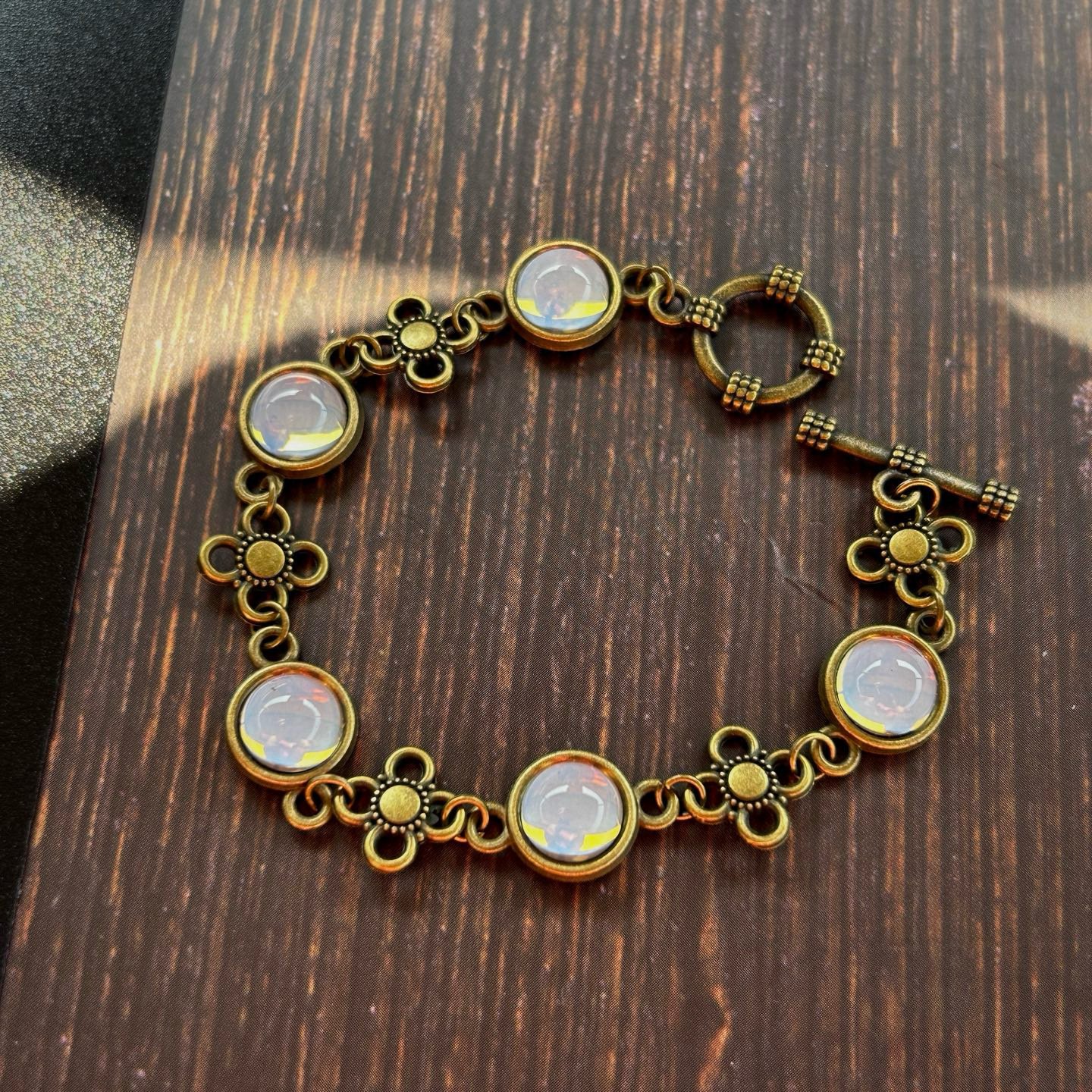
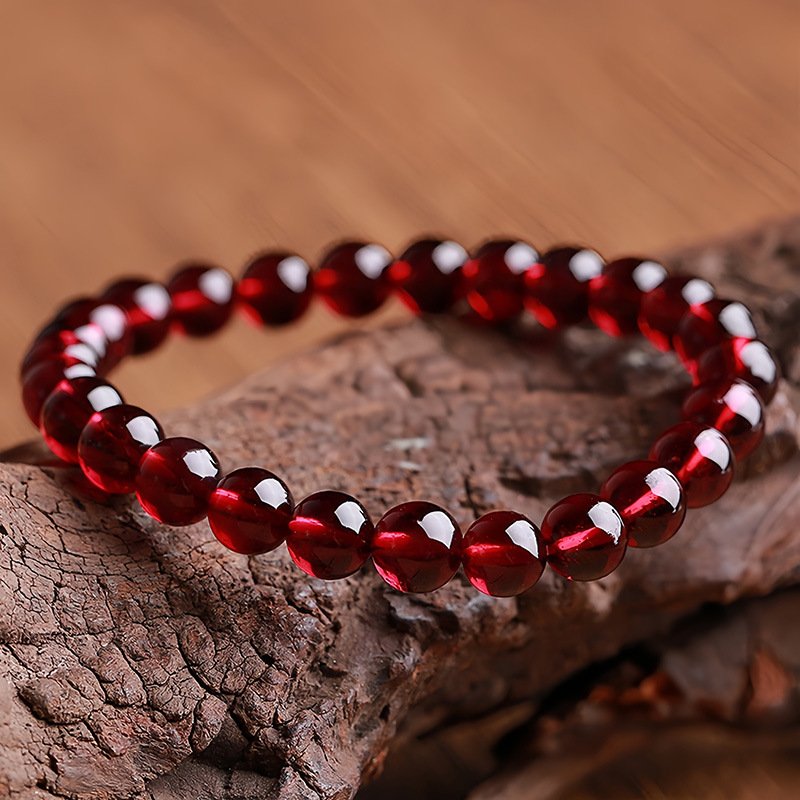
A lucky bracelet may matter because of its design, a personal memory, or the intention you choose to associate with it. Putting it on can be a small cue to pause and take a practical step—send the application, begin the conversation, or return to a goal you chose. The cue is personal; the bracelet does not control chance, attract money, guarantee protection, or determine what happens next.
If you enjoy jewelry with symbolic details, browse the Braceletforluck bracelet collection and choose by design and the product information provided. For more context, see our guide to what a lucky bracelet can mean.
What to check before choosing a bracelet
- Material details: Read the listing for named stones, metals, finishes, and other components. Do not infer a material from a photograph.
- Fit and construction: Check the stated size, closure, or adjustment details and consider whether the bracelet suits your daily activities.
- Care guidance: Follow instructions for the specific materials. Jewelry is not automatically suitable for showering, swimming, heat, or cleaning products.
- Realistic descriptions: Look for clear product information and avoid promises that an item will change your health, finances, safety, or future.
Frequently asked questions
Can a bracelet improve your luck?
A bracelet cannot guarantee good luck or control events. Some people wear one because it represents a value, memory, or goal. If it is meaningful to you, it can serve as a personal reminder to take an action you have chosen.
What is one practical thing I can do today?
Choose one goal and identify a small next step that takes less than an hour. Write it down, decide when you will do it, and review what happened afterward.
Does positive thinking create good luck?
A positive outlook cannot guarantee an outcome, and not every setback is within your control. Clear goals, preparation, supportive relationships, and follow-through can help you respond to opportunities when they arise.
Do I need a daily ritual?
No. A routine or symbolic object is optional. Use what feels comfortable and helpful to you, and rely on practical information when making important choices.