A lucky bracelet is jewelry people choose for its personal meaning, cultural symbolism, or connection to an intention. It cannot guarantee luck, wealth, protection, or a particular outcome. For many wearers, its value is more grounded: a visible reminder of a hope, a person, a milestone, or a quality they want to carry into the day.
This overview explains the main types of lucky bracelets and what they can mean. Start with the design category that interests you, then use the specialist guides below for buying, cultural context and everyday styling. Meanings vary across cultures and individuals.
What does a lucky bracelet mean?
A lucky bracelet is a bracelet associated by its wearer with good fortune, a personal intention, or a meaningful memory. Some people choose a motif because of a tradition; others wear a gift that reminds them of someone they love or a piece they bought to mark a new beginning. The jewelry itself does not control events. Its meaning comes from the symbol, the story, and the wearer’s own relationship with it.
That distinction makes room for symbolism without promising supernatural results. A bracelet may help you remember what matters to you—such as patience, courage, gratitude, or a goal you are working toward—while the choices and actions behind that goal remain your own.
Common kinds of lucky bracelets
There is no single design that makes a bracelet “lucky.” The term is used for many forms of jewelry, and the meaning should be considered in context rather than assumed from appearance alone.
- Symbol or charm bracelets: A clover, eye, heart, or other motif may represent an idea to the wearer. Interpretations can differ between cultures, communities, and individuals.
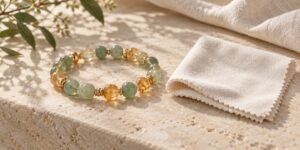
- Gemstone bracelets: People may select a stone for its color, natural pattern, traditional associations, or personal significance. Check each product listing for the specific stone and material details; designs and materials are not interchangeable.
- Personal keepsakes: A bracelet received for a celebration, chosen after a milestone, or passed down in a family can carry meaning because of the memory attached to it.
- Simple everyday pieces: A minimal bracelet can become meaningful through regular wear, a personal intention, or the moment in life when it was chosen.
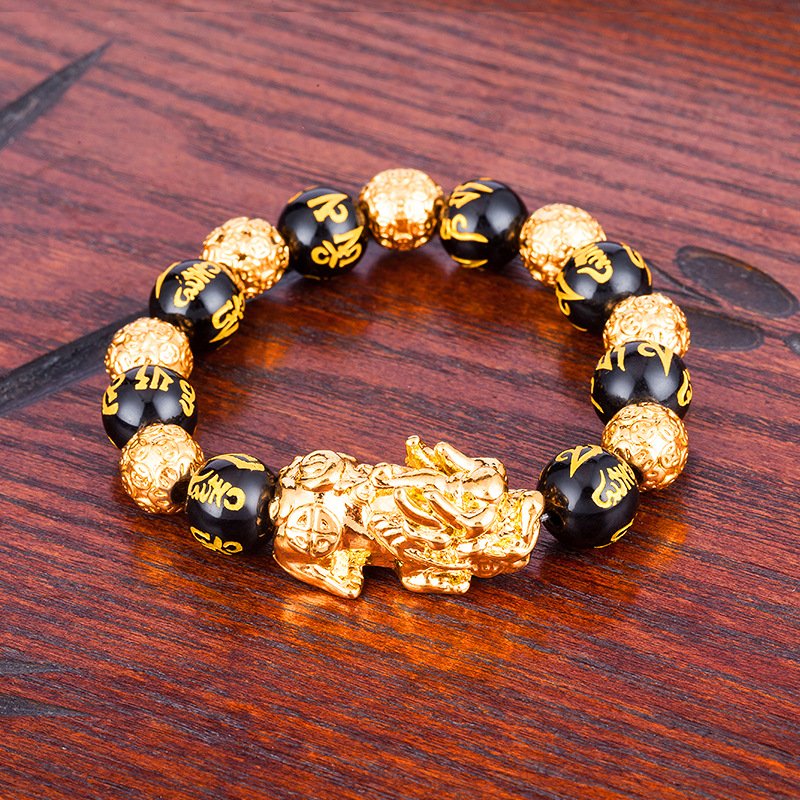
If a particular motif interests you, learn how it is presented and avoid treating one interpretation as universal. You can read our guides to Lucky Eye bracelet symbolism and Pixiu meaning and history for more specific context.
Choose a type before choosing a piece
Start with the role you want the bracelet to play. A visible motif suits someone who likes a recognizable symbol; gemstone beads emphasize color and texture; a keepsake centers a personal memory. Then check the actual materials and fit rather than choosing from an outcome claim.
For a gold-tone motif design, the Lucky Bracelet Gold listing describes gold-plated alloy. Gold tone is an appearance, while plating is a material construction; neither should be confused with solid gold.
Find the guide that matches your question
- Buying checklist: materials, fit and questions to ask
- Compare clover, Pixiu and other bracelet symbols
- Chinese cultural background: jade, Pixiu and red cord
- Wear a bracelet as a daily reminder
- Style meaningful charms and tell a personal story
Lucky bracelets as gifts and personal milestones
A bracelet can be a thoughtful gift when the symbol, style, and occasion feel right for the recipient. It may mark a new role, graduation, birthday, move, or another turning point. The gift does not need to predict what will happen next; it can simply express encouragement and care.
When choosing for someone else, think about what they already wear and whether they prefer understated or more decorative jewelry. Check the product page for materials, care instructions, and fit information, and avoid choosing a piece because you expect the recipient to share a particular spiritual belief. A brief note explaining what the design means to you lets the recipient decide what meaning, if any, they want to give it.
How to wear one with everyday jewelry
There is no required way to style a lucky bracelet. Wear it on its own when you want the design to stand out, or pair it with pieces that sit comfortably beside it. If you layer bracelets, consider whether their edges, clasps, or different weights may rub against one another. Take the piece off for activities that could snag, stretch, or strike it, and follow its own care guidance.
Some wearers make putting on a meaningful bracelet part of a small daily pause. You might choose a word for the day—such as focus, generosity, or steadiness—and let the bracelet remind you of that intention when you notice it. This is a personal practice, not a promised effect of the jewelry.
Which wrist should you wear it on?
There is no universal rule that a lucky bracelet must be worn on the left or right wrist. Some traditions assign meaning to a side, while many people simply choose the wrist that feels comfortable, works with a watch, or keeps the bracelet visible. If a specific cultural or spiritual practice matters to you, consult a reliable source within that tradition rather than presenting one rule as true for everyone.
For everyday styling, try the bracelet on both wrists and notice how it moves during normal activities. Make sure it does not catch on clothing or interfere with work. Our crystal bracelet wrist guide discusses comfort and common ways people make that choice.
How to care for a lucky bracelet
Care depends on the exact stones, metals, coatings, cord, and construction. Follow the care instructions supplied with the specific piece. When those instructions are not available, avoid assuming that a bracelet is safe for showering, swimming, chemicals, ultrasonic cleaning, or prolonged sunlight. Water and cleaning products can affect some materials and finishes.
- Put jewelry on after applying lotion, perfume, sunscreen, or hairspray, and let products dry first.
- Wipe the bracelet gently with a soft, dry cloth after wear unless its material-specific instructions say otherwise.
- Store it separately from pieces that could scratch, snag, or press against it.
- Check cords, clasps, and settings periodically. If a component loosens or breaks, stop wearing it until it can be assessed or repaired.
For water-related questions, see our bracelet jewelry-care guide. Its advice should still be matched to the materials of the particular bracelet you own.
A note on Braceletforluck’s cultural inspiration
Braceletforluck’s brand story is rooted in Foshan, Guangdong, and draws inspiration from Mount Xiqiao and the compassionate tradition of Guanyin. This heritage informs the brand’s approach to natural gemstones, symbolic jewelry, and a cleansing and blessing ritual. The ritual is a cultural and personal expression of care; it does not change a stone’s physical properties or promise a specific result.
When you choose a BFL bracelet, let the product page guide you on what the piece is made of and what is included. Let its symbolism remain personal: a reminder of an intention, a considered gift, or a connection to a story that matters to you.
Frequently asked questions
What is a lucky bracelet?
A lucky bracelet is jewelry worn for personal meaning, a cultural association, or a chosen intention. Its interpretation can differ from one wearer or tradition to another.
Can a lucky bracelet guarantee good luck?
No bracelet can guarantee luck, wealth, protection, healing, or success. A meaningful design can serve as a personal reminder, but it does not control events or replace practical decisions.
How do I choose and care for one?
Choose a design whose meaning and style suit the wearer, then check the listing for its exact materials and fit details. Follow the care instructions for that specific piece; do not assume every gemstone or metal can be exposed to water, heat, or cleaning products.
Explore more
- What a Lucky Eye bracelet may symbolize
- Pixiu symbolism and how to wear a Pixiu bracelet
- Choosing a wrist for a crystal bracelet
Explore Braceletforluck’s bracelet collection and read each product page for its current materials, design details, and care information before choosing a piece.