Chinese bracelet symbolism is best understood through the material, motif and cultural setting of a piece. Jade, Pixiu and red cord are often grouped together in modern jewelry descriptions, yet they are not interchangeable and do not share one universal set of wearing rules.
This guide offers cultural context for choosing meaningful jewelry. Historical objects and personal traditions can explain why a design matters; they do not establish that a modern bracelet produces wealth, protection or healing.
Jade: material, craftsmanship and cultural value
Jade has a long place in Chinese material culture. The Metropolitan Museum of Art’s Liangzhu jade bi record describes a Neolithic nephrite disk and notes its possible ritual or status-related role. The object shows how valued materials and careful workmanship carried significance in a particular historical setting.
A modern jade bracelet may connect a wearer with family memories, craftsmanship or a wish to carry a valued quality. That meaning is personal. A green color alone does not identify jade, and a historical museum object does not certify the mineral, grade or treatment of a product sold today.
For a current jewelry example, the natural jade bracelet with a lotus motif lists natural jade. Review its own specifications; do not infer a jade subtype, grade or metal composition that the listing does not provide.
Pixiu: distinguish historical imagery from modern jewelry
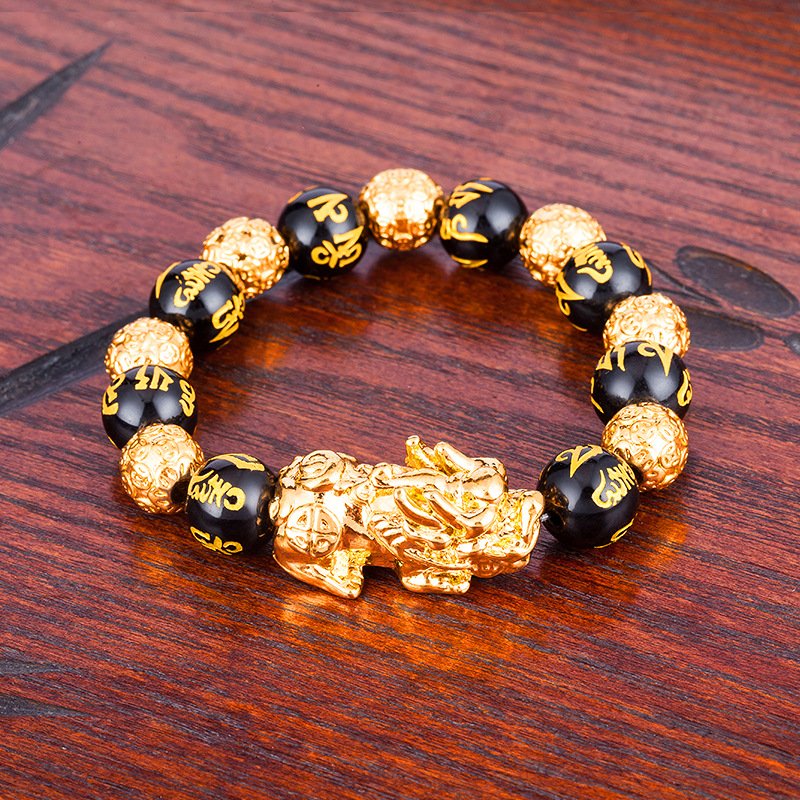
The National Museum of Natural Science’s Pixiu note documents a mythical guardian beast and its historical context. The figure combines animal features. Modern jewelry uses stylized versions of this imagery, sometimes accompanied by wishes for prosperity.
Those wishes belong to interpretation and belief. A Pixiu-inspired charm is not a financial tool or a promise of safety. For a contemporary design, the Feng Shui Bracelet lists brass alloy and a Pixiu-inspired motif. For more detail, see our Pixiu history guide.
Red cord: understand the particular tradition
A red cord can hold a meaning associated with a family, occasion or community. Ask what the cord represents in that specific setting instead of assigning one explanation to every Chinese or Buddhist practice. Personal gifts may also carry meanings chosen by the giver and wearer.
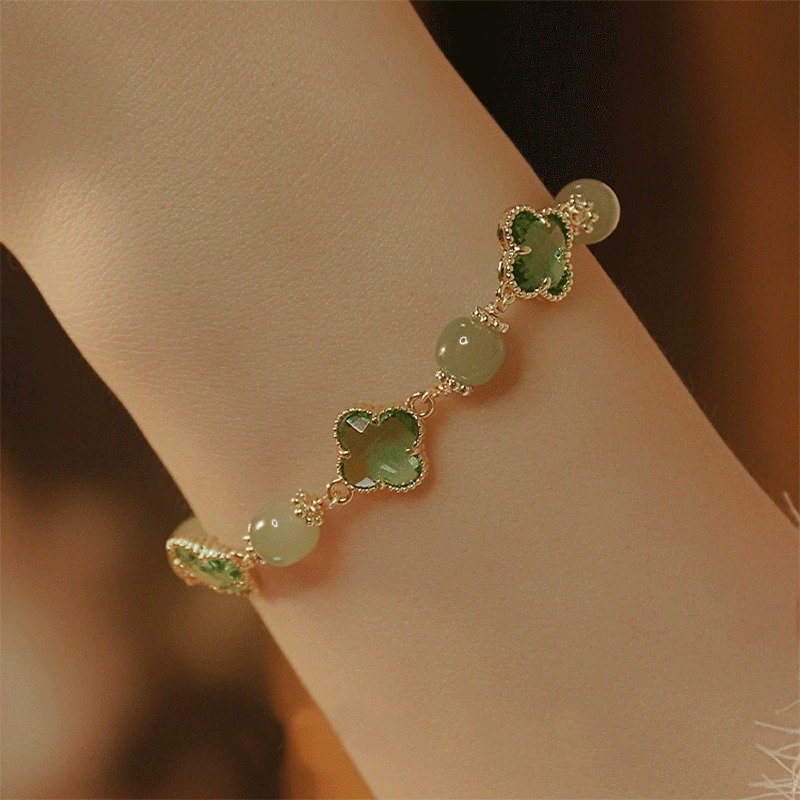
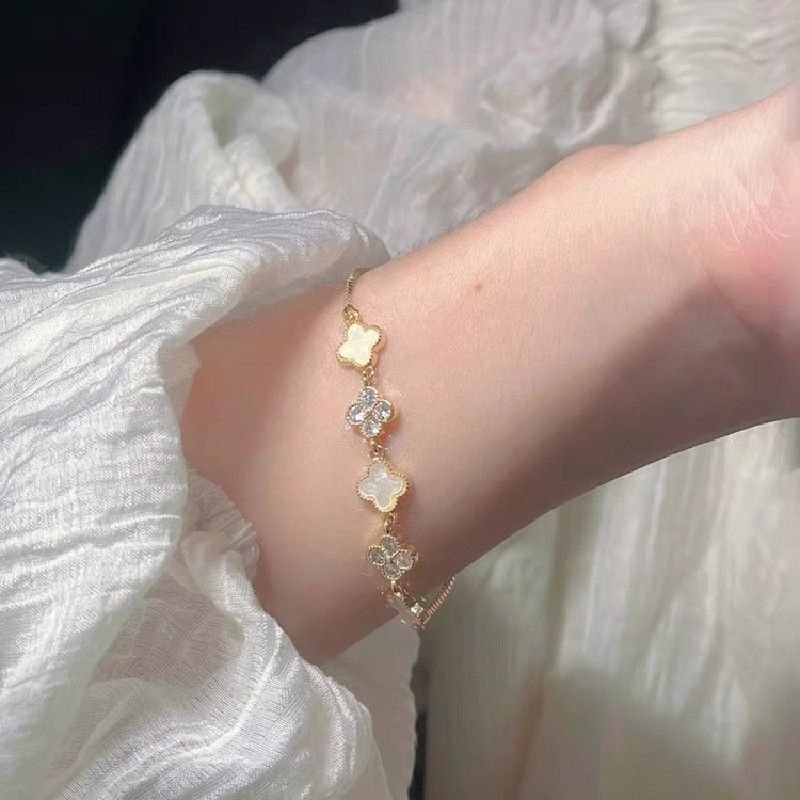
Construction matters: red cord, red gemstone beads and red charms on a chain are different things. The Lucky Red Bracelet uses repeating red clover motifs on a gold-tone alloy chain. It should be chosen as a red motif design, not described as traditional red-string jewelry.
Respect a tradition without inventing universal rules
- Name the source and setting when you discuss historical meaning. A museum record describes a particular object, not every modern bracelet.
- Separate personal preference from prescribed ritual. Left- or right-wrist customs vary; comfort remains a practical consideration.
- Let a recipient choose their own relationship with a motif. A gift can express care without requiring shared beliefs.
- Read the current product specifications independently of the cultural story. Symbolism does not establish material quality or included packaging.
Foshan, Mount Xiqiao and BFL’s cultural inspiration
Braceletforluck’s story is rooted in Foshan, Guangdong, and draws inspiration from Mount Xiqiao and the compassionate tradition of Guanyin. BFL presents its cleansing and blessing ritual as a symbolic expression of care. It does not change a gemstone’s physical properties or promise a result.
A considered choice combines an accurately described piece with a story that matters to you. You might connect a motif with generosity, perseverance or a family memory. Describe that connection in your own words, while leaving room for others to understand it differently.
Keep different design traditions distinct
Clover and eye motifs may appear beside Chinese-inspired jewelry in a collection. That does not make them all Chinese feng shui symbols. Use our bracelet motif comparison to distinguish designs, then the buying checklist to compare materials and fit.
Frequently asked questions
Does every jade bracelet have the same cultural meaning?
No. Meanings depend on the object, period, community and wearer. A modern bracelet can carry a family memory or personal value without reproducing the role of a historical jade object.
Is Pixiu jewelry a guarantee of wealth or protection?
No. Pixiu is a cultural motif with historical and modern interpretations. Wearing a contemporary piece does not guarantee financial results or protection from harm.
Is every red bracelet a red-cord bracelet?
No. A red stone or red charm on a metal chain is different from a bracelet made with red cord. Check construction as well as color.
What does Braceletforluck’s blessing ritual mean?
BFL presents its cleansing and blessing ritual as an expression of cultural inspiration and care connected with Foshan, Mount Xiqiao and Guanyin. It does not alter material properties or guarantee an outcome.