People looking for bracelets for emotional balance may be drawn to a meaningful symbol, a wearable reminder, or a design that feels comforting to keep close. A bracelet can be jewelry and a personal cue. It cannot diagnose or treat anxiety, change someone’s circumstances, or guarantee emotional or financial results.
This guide separates personal symbolism from health claims. It covers ways to choose a piece, what details to check before buying, and how to wear and care for it as an everyday accessory.
What does an emotional-balance bracelet mean?
There is no single bracelet design with a universal meaning. One wearer may connect a piece with a fresh start; another may choose it because of its color, shape, or the person who gave it. Cultural and spiritual associations also vary by community, family, and source.
Some jewelry descriptions connect clover motifs with good fortune, jade with heritage or refinement, or Pixiu imagery with popular Feng Shui traditions. These are symbolic associations, not properties that the materials or motifs can prove. You can appreciate a design without treating it as a tool that changes emotions or predicts what will happen.
Why wear a bracelet as a personal reminder?
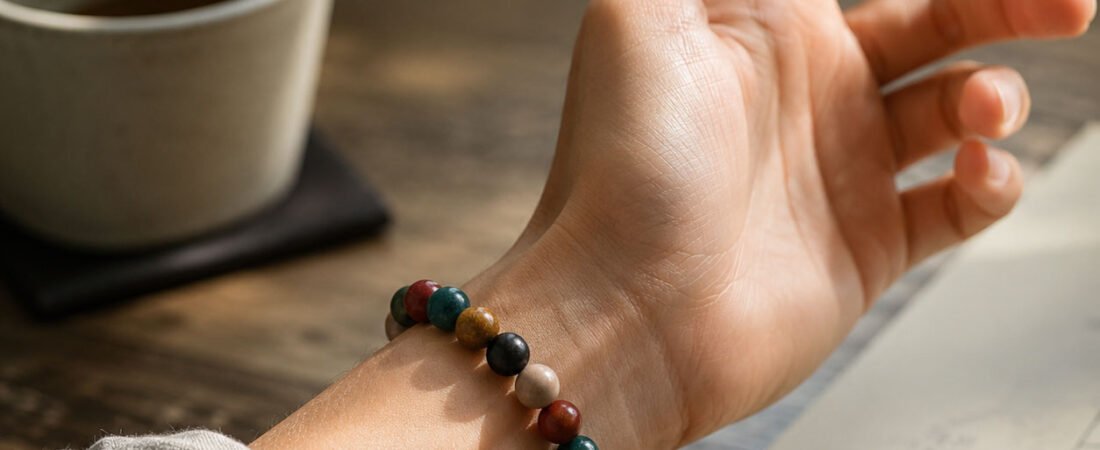
A wearable object can be easy to notice during the day. If you choose to give it a personal meaning, seeing or touching it may remind you of a value or intention you selected—such as patience, confidence, or making space for a pause. The reminder depends on your own attention; it is not an effect promised by the jewelry.
People also wear bracelets for straightforward reasons: they enjoy the design, like how it layers with other pieces, or want a small gift that marks a milestone. These reasons do not need to be dressed up as a claim about wellness. Meaningful jewelry can be valuable to the wearer while remaining an accessory.
What to check before choosing a bracelet
- Materials and finish: Read the listing for the exact materials, plating, and finish stated for that piece. If a detail is missing, ask before assuming it is natural, solid metal, or suitable for sensitive skin.
- Fit and measurements: Check the listed length, adjustability, clasp, and sizing guidance. A comfortable fit matters more than following an inflexible rule about which wrist to use.
- Construction: Look for clear photographs of the clasp, links, cord, beads, and focal charm. If the piece is strung, make sure the listing explains how to care for it and what to do if it needs repair.
- Design meaning: Choose a symbol because you personally value it or appreciate its cultural context. Ask whether the seller describes a tradition accurately and avoids promising protection, treatment, or guaranteed luck.
- Purchase terms: Review shipping, returns, and care instructions before ordering. Save the listing or receipt so you can refer back to material and care details later.
Three designs to compare
The examples below are linked so you can compare their visible styles. Check each live listing for current materials, fit, care information, and purchase terms; the design alone does not establish a benefit.
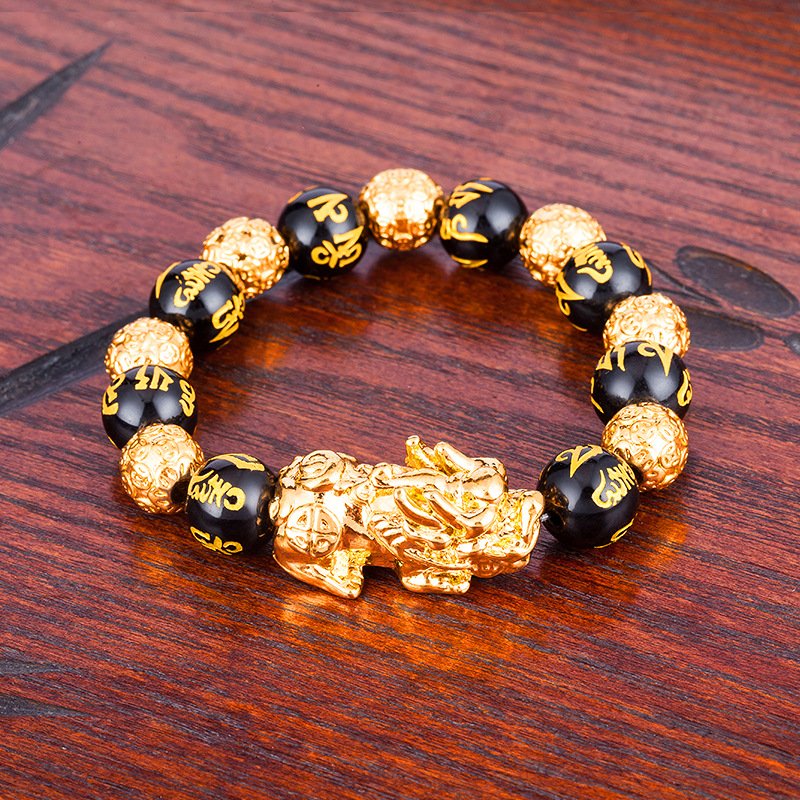
Gold-Plated Pixiu Bracelet
This bracelet centers on Pixiu imagery used in contemporary Feng Shui jewelry. If you are interested in the cultural background, read our Pixiu meaning guide, which distinguishes symbolic interpretations from promises about outcomes.
Designer Clover Bracelet
A clover motif can be chosen for its shape, its personal associations, or the way it pairs with other jewelry. Consider the size of the focal design and whether the bracelet suits the occasions when you expect to wear it.
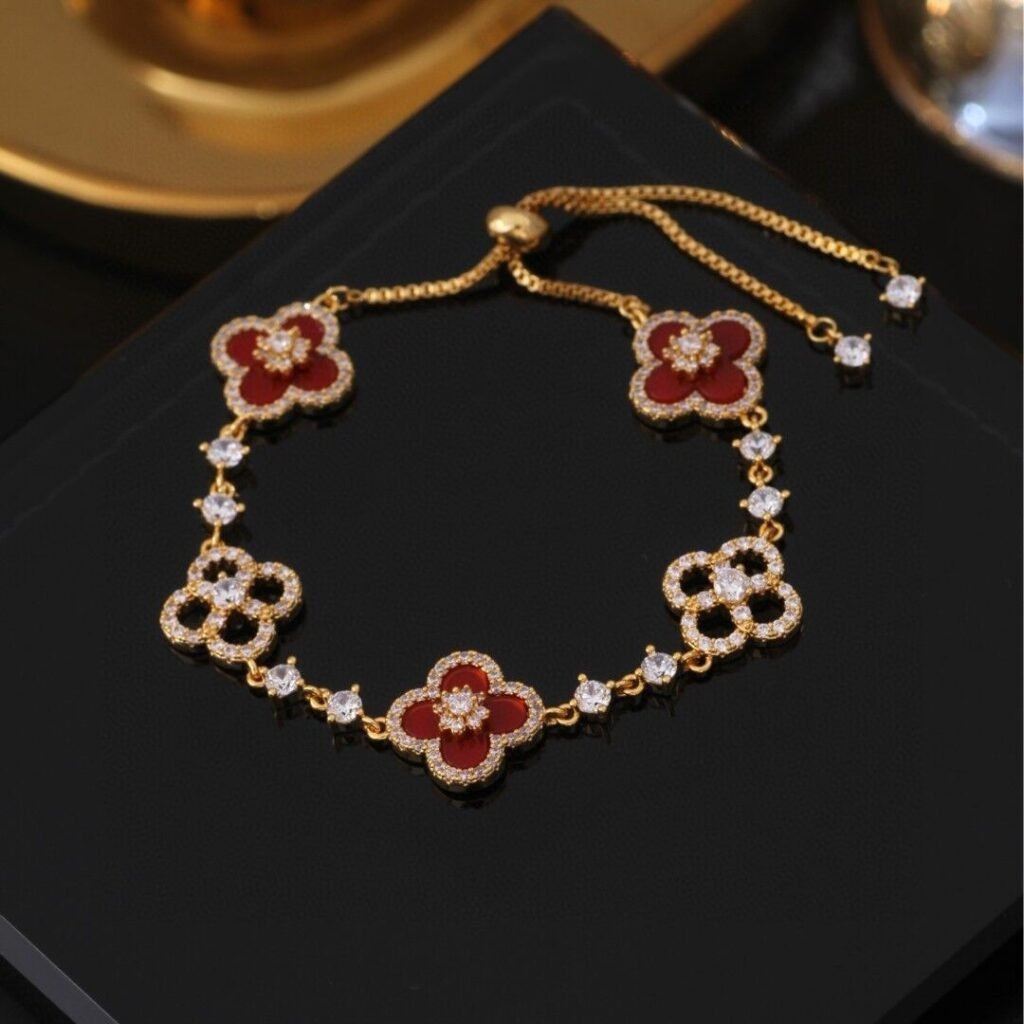
China Lucky Bracelet with Four-Leaf Clover Charms
The gold-tone alloy links and repeating four-leaf clover charms create a familiar motif that can serve as a personal symbol. Check the product page for listed materials and care details.
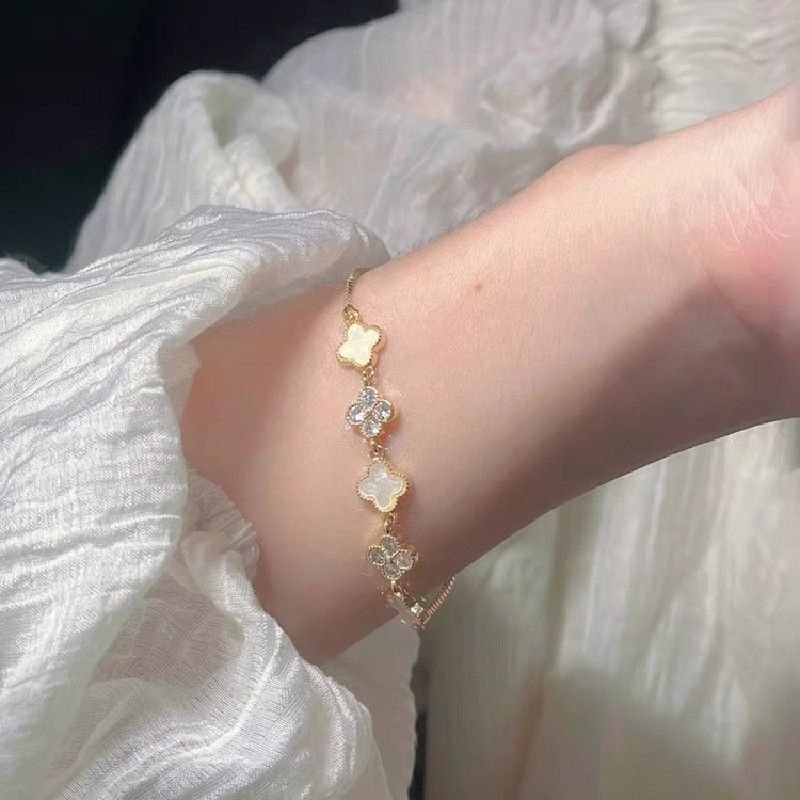
A bracelet can also be a thoughtful gift
When choosing jewelry for someone else, begin with their preferences rather than a promise about what the piece will do. Think about the colors and styles they already wear, whether they prefer a subtle design or a noticeable focal charm, and whether the size can be adjusted. If you are unsure about materials or sizing, check the listing or ask before ordering.
A short note can explain why you chose the design—perhaps it reminds you of a shared moment or a quality you admire in the recipient. That personal context is yours to give; it does not need to make a claim about protection, health, or future luck.
A grounded way to wear meaningful jewelry
If you want your bracelet to serve as a reminder, choose one brief meaning for it. For example, you might use it to remember to ask a question before making a decision, take a moment to review your priorities, or follow through on a task you already planned. Keep the next step practical and specific.
This is a personal routine, not a treatment or a ritual with a guaranteed result. You can change the meaning, stop wearing the bracelet, or simply enjoy it as an accessory. If emotional distress is interfering with daily life, jewelry is not a substitute for support from a qualified health professional.
Care and everyday wear
Care depends on the exact materials and construction. Follow the seller’s instructions and remove a bracelet before activities where it could snag, hit a surface, or be exposed to water, heat, or chemicals. Do not assume all stones, cords, metals, or finishes can be cleaned the same way. Our bracelet care guide offers general jewelry-care context; the instructions for your specific piece should take priority.
Wear it on whichever wrist feels comfortable unless you are following a particular tradition. If you are, look for a source that explains the practice and its limits. Comfort, secure fit, and the bracelet’s actual care requirements are useful everyday considerations.
Frequently asked questions
Can a bracelet improve emotional balance?
A bracelet cannot promise to change someone’s emotional state. Some people choose jewelry as a personal reminder or for its design and symbolism, but that is different from a health benefit.
Can I wear a bracelet if I have anxiety?
You can wear jewelry if it is comfortable and safe for you. A bracelet is not a way to diagnose or treat anxiety; seek qualified support when you need help with a health concern.
Which wrist should I wear it on?
There is no universal rule for every wearer or tradition. Choose the wrist that feels comfortable, or consult a knowledgeable source if you are following a specific practice.
How do I know whether a bracelet is right for daily wear?
Check the fit, closure, construction, and material-specific care instructions. Remove it when it could catch, be damaged, or interfere with an activity.
What if I like the symbol but not its spiritual claims?
You can choose a design for its appearance, cultural context, or personal meaning without accepting every claim attached to it. A symbol can matter to you without predicting or controlling an outcome.
A thoughtful choice starts with the actual piece: its design, stated materials, fit, care, and purchase terms. Any personal meaning can be yours to define, without expecting a bracelet to provide treatment or guarantee a result.