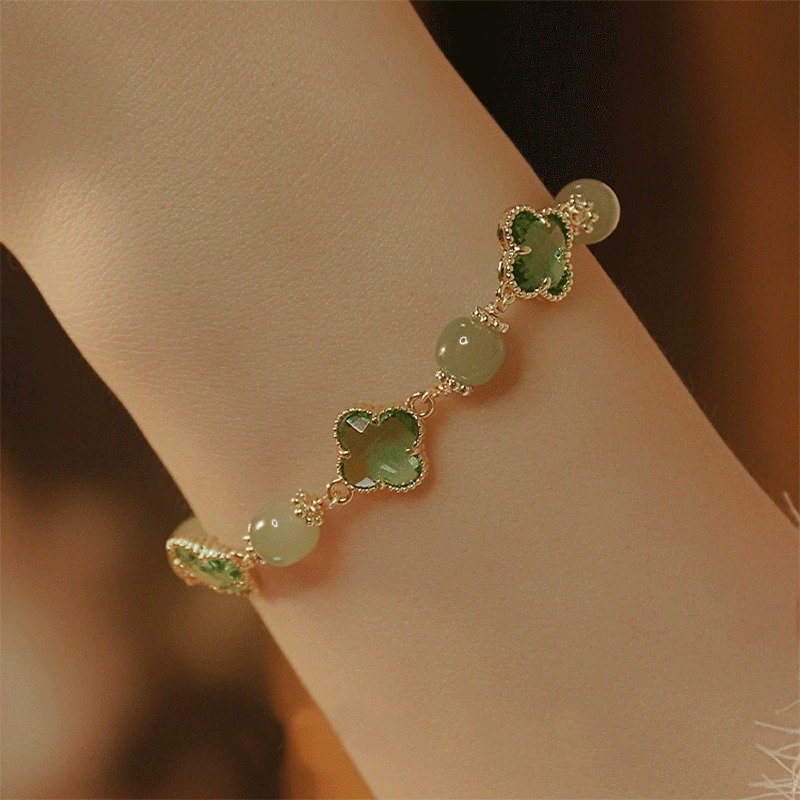
Gemstone bracelets can be chosen for color, material, design, fit, or personal meaning. This guide compares two familiar choices—a tiger’s-eye bracelet and an amethyst flower bracelet—so you can decide which style suits you. Their symbolism can be personal, but neither stone promises protection, emotional calm, or a specific result.
Tiger’s eye and amethyst: two different looks
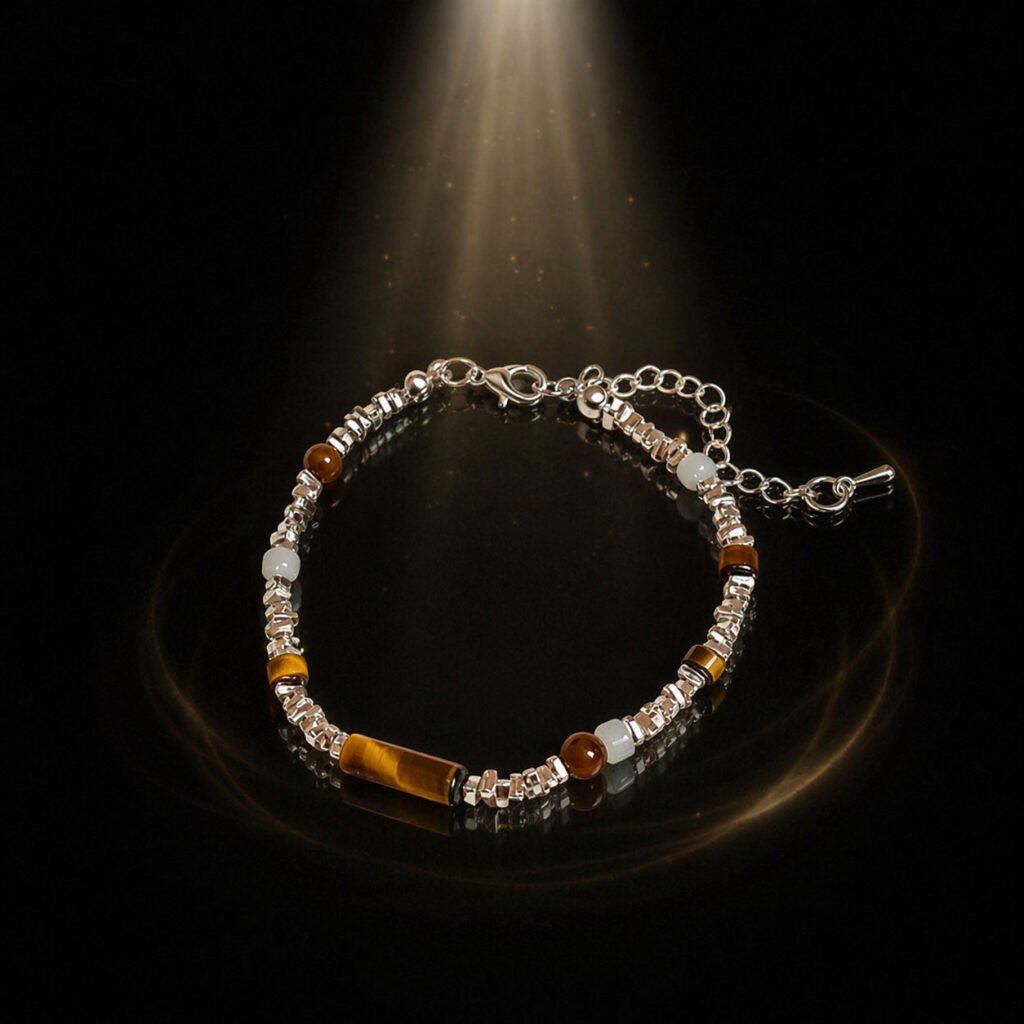
Tiger’s eye is a decorative variety of quartz known for a moving, silky band of light called chatoyancy. The Gemological Institute of America (GIA) explains that reflected light from its fibers creates this effect and that the material is commonly polished for beads and cabochons. Its golden-brown bands can make a bracelet visually distinctive.
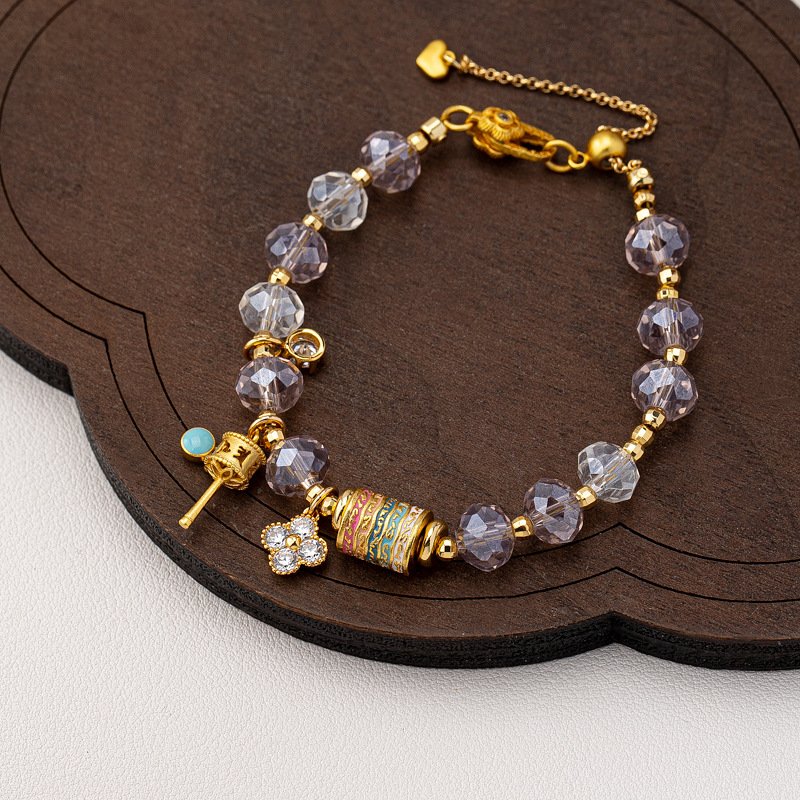
Amethyst is the purple variety of quartz. Its color can range from pale lilac to deeper violet, and some stones show areas of lighter and darker color. The GIA’s amethyst description explains these variations. A botanical or flower motif may appeal if you prefer a softer, more ornamental look.
How to choose a gemstone bracelet
- Start with the appearance. Compare bead color, light effects, charm shape, and how the piece looks with jewelry you already wear.
- Read the material details. Check the product listing for the named gemstone, metal, finish, cord, and any other components. A photograph cannot confirm every material or treatment.
- Check the fit and construction. Use stated measurements and note whether the bracelet has a clasp, stretch cord, or an adjustment feature.
- Choose a personal association, if you want one. A color or motif can remind you of a value or memory. That meaning comes from you; it does not change the stone’s physical properties.
- Review care guidance before wearing. Water, heat, chemicals, and abrasion can affect some components, coatings, or cords.
Use a bracelet as a reminder, not a remedy
Some people use jewelry as a visual cue for an intention. You might put on a bracelet while deciding what deserves your attention that day, then connect that thought to one practical action. It can be a personal routine, but a gemstone does not shield someone from stress or replace help from another person.
Braceletforluck’s broader design story draws inspiration from Mount Xiqiao and the cultural tradition of Guanyin in Foshan. That context informs a quiet, symbolic approach to jewelry; it is not a claim that every piece has received a blessing or can create a health or emotional effect.
Physical care and symbolic rituals
A symbolic ritual and physical cleaning are different things. If you like to pause and choose what a bracelet represents, keep that practice personal and optional. For physical care, follow the instructions for the exact materials and avoid soaking or exposing a piece to products unless its care guidance says it is suitable.
For a general care overview, see our crystal bracelet guide. If you are wondering about showering in jewelry, check the material and construction first; our showering and bracelet care article offers additional practical considerations.
Frequently asked questions
Are tiger’s eye or amethyst bracelets protective?
Some traditions or wearers attach symbolic meanings to stones, but a bracelet cannot guarantee protection or an outcome. Choose one for its appearance, material, or personal significance.
Can I wear either bracelet every day?
That depends on the piece’s fit, construction, and care instructions, as well as the activities you plan to do. Remove jewelry when it could snag, be struck, or be exposed to conditions the seller advises against.
Which style should I choose?
Choose the color, motif, and fit you most enjoy wearing. Compare the current product details for the tiger’s-eye and amethyst designs, and browse the BFL shop for other gemstone bracelets. Treat symbolism as personal meaning rather than a promise of protection or peace.