Feng Shui for small spaces can be explored through the everyday experience of a room: where you enter, sit, work, store belongings, and share a surface. This guide offers three practical home and desk examples for a modern personal approach. Use them to make a space serve its purpose, with room for objects that have meaning to you.
These examples are ordinary layout and storage choices, not a traditional compass consultation or a promise of luck. For the cultural background and common misunderstandings, start with our Feng Shui mindset guide to meaning and myths. The Cambridge University Press history overview provides further context.
Read the room before choosing an arrangement
Begin with who uses the space and what they need to do there. In a rented apartment, shared home, or small office, fixed furniture and limited storage may matter more than decorative preferences. Note the doors, available surfaces, light sources, and belongings that regularly travel through the room.
- Purpose: what activity must this area support?
- Access: can the people who use it reach the essentials and move through it comfortably?
- Constraints: what must remain in place, and what can you change without a purchase?
- Personal meaning: which object or detail would make the area feel like yours?
Choose an arrangement you can use and maintain. A useful small space does not have to resemble a showroom, and shared belongings do not have to disappear to meet someone else’s idea of a perfect room.
Example 1: a narrow entryway with no room for a console
Imagine a doorway where bags collect on the floor and keys move between pockets. A large table would make the passage tighter. Work with an existing shelf, a permitted hook, or a small container in a nearby accessible spot, rather than adding furniture that blocks movement.
- Give keys and other essentials one agreed place.
- Use the available space for items needed when arriving or leaving; keep occasional-use belongings elsewhere.
- Try carrying your ordinary bag through the doorway after the change. Adjust anything that catches or gets in the way.
A photograph or small keepsake can mark the area if there is room for it. It should fit around the function of the entrance. There is no need to add an object that creates clutter or requires maintenance you do not want.
Example 2: a work desk that also serves another purpose
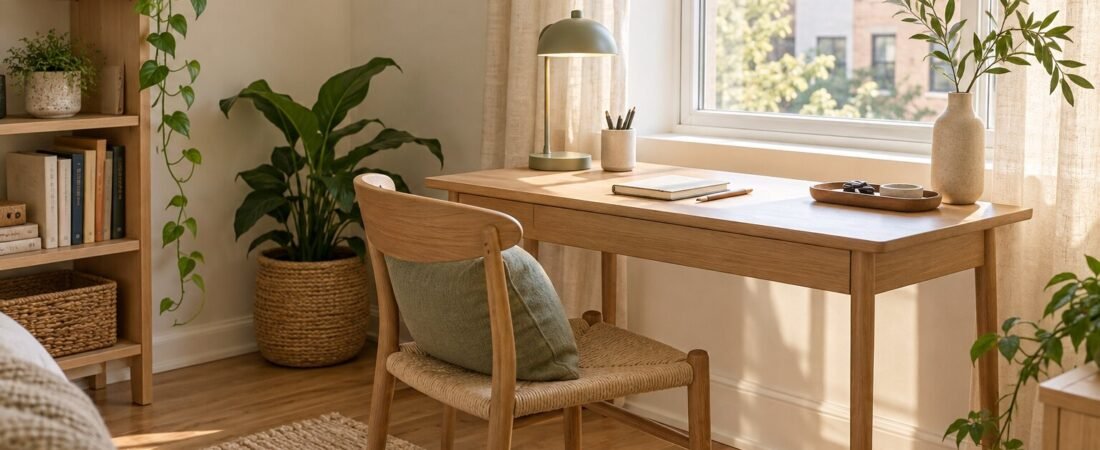
If you work at a dining table, the practical question is how to begin and end a work session without taking over the room. Keep task materials together in a tray or bag that can be put away, and leave the surface available for its next use.
- Set out only the materials needed for the current task.
- Check whether your existing lamp or curtain position gives you usable light for reading.
- Keep cables and frequently reached items where they do not obstruct the activity.
- At the end, return work materials to their storage place so another person or activity can use the surface.
A written note such as “choose the first task before opening messages” may serve as a reminder. If you wear jewelry, keep a suitable dry storage place nearby for times when the activity calls for removing it. The layout should respond to the task and the care needs of the piece.
Example 3: a shared bedroom or multipurpose corner
People sharing a room may have different preferences about light, visible belongings, and available surfaces. Agree on which area is personal and which must stay available to both people. A compact shelf or a section of an existing drawer may be enough to store one person’s accessories without taking over shared space.
Choose decoration together for shared areas, and keep personal keepsakes where their owner can enjoy them. If a lamp, chair, or shelf arrangement is inconvenient for someone, adjust it around the actual use of the room. A cultural interest in harmony can begin with that ordinary conversation, without assigning a promised outcome to a direction or object.
Give meaningful objects a place that suits their materials
A keepsake can have a visible home without becoming a required remedy. For jewelry, consider where it can be put away safely and kept apart from items that may scratch or tangle it. Follow the particular stone, metal, and finish instructions in our crystal bracelet care guide.
If you would like a wearable reminder, compare designs by what is actually listed:
- Brass Pixiu Feng Shui bracelet: brass alloy and a Pixiu-inspired motif.
- Natural jade lotus bracelet: a green jade design with a lotus flower charm.
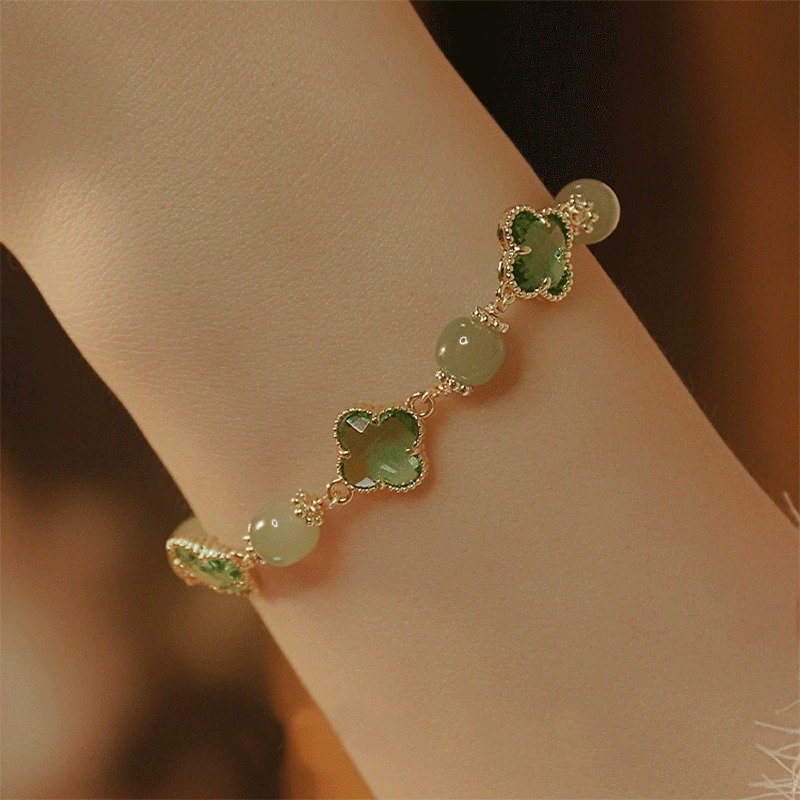
- Designer Clover Bracelet: green quartz with a four-leaf clover pattern.
Read current measurements, components, and care information before choosing; ask the shop about details that are not provided. You can explore more designs in the BFL shop. No bracelet is required to make a room work well.
Cultural meaning can accompany practical choices
BFL’s story is rooted in Foshan and draws inspiration from Mount Xiqiao and Guanyin traditions. Our natural gemstone cleansing and blessing narrative expresses symbolic care and goodwill. It can accompany a personal keepsake without promising wealth, protection, health, or a change in external events.
For historical objects rather than room instructions, see the National Museum of Natural Science’s Pixiu collection note and The Met’s Chinese jade bi disk. Those records provide context for particular objects; they do not establish rules for arranging your home.
Test the arrangement in everyday use
Use the changed area for several ordinary days. Can you find what you need? Can the table serve both activities? Does the storage fit the people who share it? Keep what works and revise what is awkward. For a seasonal refresh of routines, our separate spring reset guide offers another starting point.
Frequently asked questions
Can I explore Feng Shui for small spaces without moving large furniture?
Yes. These modern examples start with the surfaces and storage you already have. Small adjustments can respond to how you use a room without requiring a full redesign.
What if I rent or share my home?
Work within the permissions and needs of the people using the space. Agree on shared surfaces, use reversible arrangements, and avoid adding something that makes access or upkeep harder.
Do I need to buy a bracelet or a Feng Shui object?
No. A personal symbol is optional. If you enjoy jewelry, choose by design, materials, fit, and cultural meaning; it cannot replace a practical change to the room.
Will an arrangement guarantee good fortune?
No. Judge these examples by whether they suit everyday activities. Historical beliefs and personal meanings can be respected without treating a layout as a guarantee of luck or wealth.