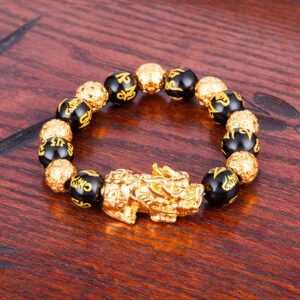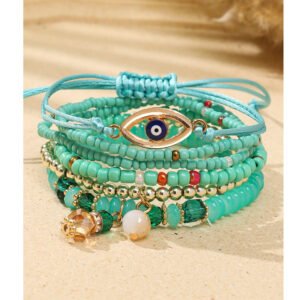

Feng Shui bracelets and mindset claims often blend cultural symbolism, personal intention, and promises about results. Feng Shui is a Chinese tradition concerned with relationships between people, places, and the surrounding environment. A bracelet can be meaningful as jewelry or as a reminder chosen by its wearer, but there is no reliable evidence that it changes a person’s energy, controls chance, or guarantees emotional or financial outcomes. This guide separates those ideas and offers practical ways to assess a Feng Shui-inspired bracelet.
What Feng Shui Means in Cultural Context
Feng Shui is often translated as “wind and water.” Historical practices consider features such as landforms, orientation, buildings, and the placement of homes or tombs within a wider cosmological view. Columbia University’s Asia for Educators describes Fengshui as a Chinese geomantic tradition that drew on beliefs about qi and the suitability of locations. Practices and interpretations have varied across time and schools, so a short online rule should not be treated as the one universal Feng Shui system.
In contemporary lifestyle writing, the term is sometimes used broadly for tidying, arranging furniture, choosing colors, or setting intentions. Those activities may be useful for practical reasons, but they are not identical to every traditional practice. Clear pathways, reachable storage, and task lighting are ordinary design choices; they do not prove that a room or object changes fortune.
For an introductory academic overview, see Columbia’s essay on the origins of Fengshui. For bracelet-specific symbolism and care, see our Feng Shui bracelet guide.
Feng Shui, Mindset, and Claims About “Energy”
Some people use Feng Shui as a framework for thinking about their surroundings or personal customs. A person may prefer a room that is easier to navigate, or may use a familiar object to remember an intention. These are personal choices. It would be an overstatement to say that arranging a room or wearing a gemstone automatically reduces stress, improves decisions, protects someone, or attracts good luck.
When you encounter a product description about energy or emotional benefits, ask what is being described. Is it a cultural association, a personal interpretation, a confirmed product feature, or a measurable effect? A motif or stone can have cultural meaning, but marketing language alone is not evidence that a bracelet changes mood, health, money, relationships, or future events.
Can a Feng Shui Bracelet Affect Your Mindset?
A bracelet cannot determine someone’s mindset or produce a guaranteed result. If a wearer chooses to connect a piece with an intention, it can function as a personal reminder in the same way as a note, photo, or other meaningful object. The reminder’s meaning comes from the person’s own choice; it does not mean the jewelry has a proven power or that everyone will respond to it in the same way.
If you want to use a bracelet as a cue, keep the process simple: choose a specific intention, pair it with an action you control, and review the action later. For example, a bracelet might remind you to pause before a meeting or to follow through on a task you already planned. You can use the cue, ignore it, or change its meaning whenever you like.
How to Choose a Feng Shui-Inspired Bracelet
- Choose a motif for a clear reason: You may prefer a symbol for its design, cultural context, family connection, or personal meaning. Look for context from a reliable source when a specific tradition matters to you.
- Check the listed materials: Confirm metals, plating, stones, beads, and other components from the current product information. Color and photography cannot establish a material.
- Check fit and construction: Compare the stated length with your wrist measurement. Review the closure, adjustability, and any details that affect daily wear.
- Read care instructions: Water, lotions, heat, and cleaning products can affect different finishes and components. Follow the instructions for the particular bracelet.
- Keep expectations realistic: Treat promises about protection, healing, wealth, or guaranteed good fortune as belief or marketing, not as a product specification.
Examples of Bracelet Styles
The following links are examples of different styles on the current site. Review each listing for its up-to-date materials, dimensions, availability, and care information; the links do not imply a promised spiritual or emotional effect.
Charm designs
The Lucky Bracelet Charms listing shows a charm-based design. Compare the visible motifs and the written product details before deciding whether the style suits you.
Gemstone bead styles
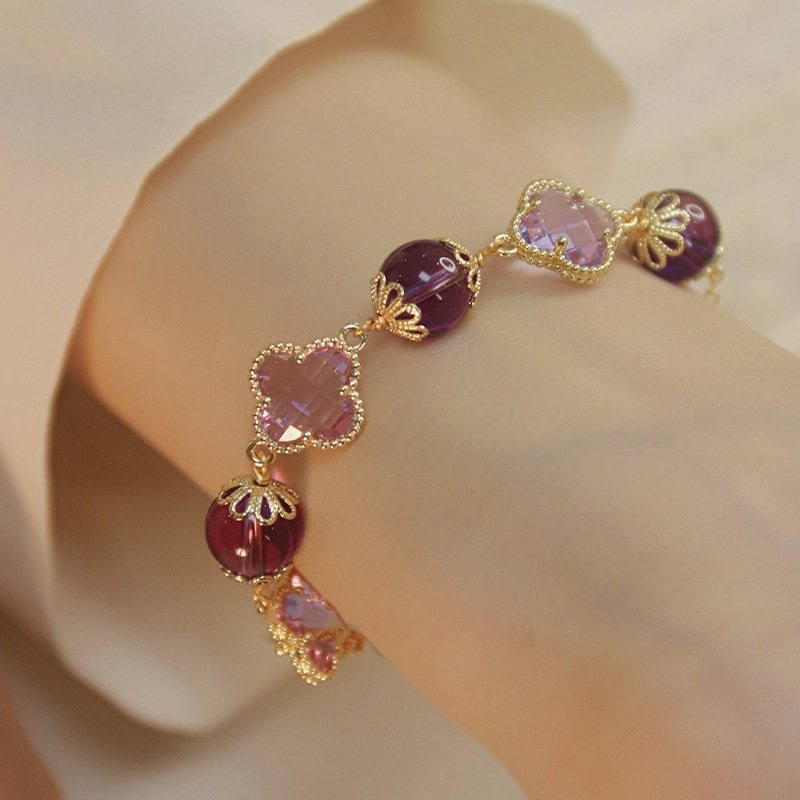
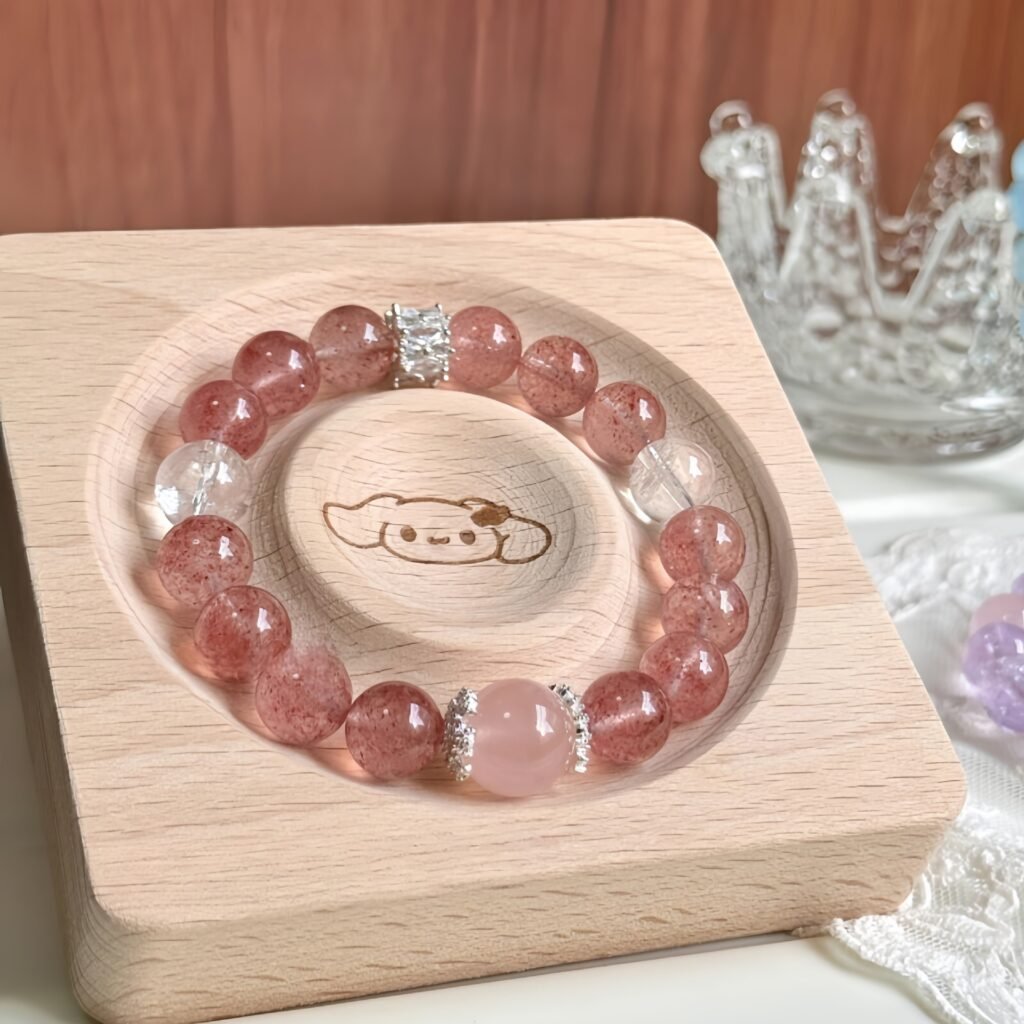
The handcrafted gemstone bracelet listing provides another style to compare. Check the current listing for the names and details of the materials rather than inferring them from color or appearance.
Simple bracelet styles
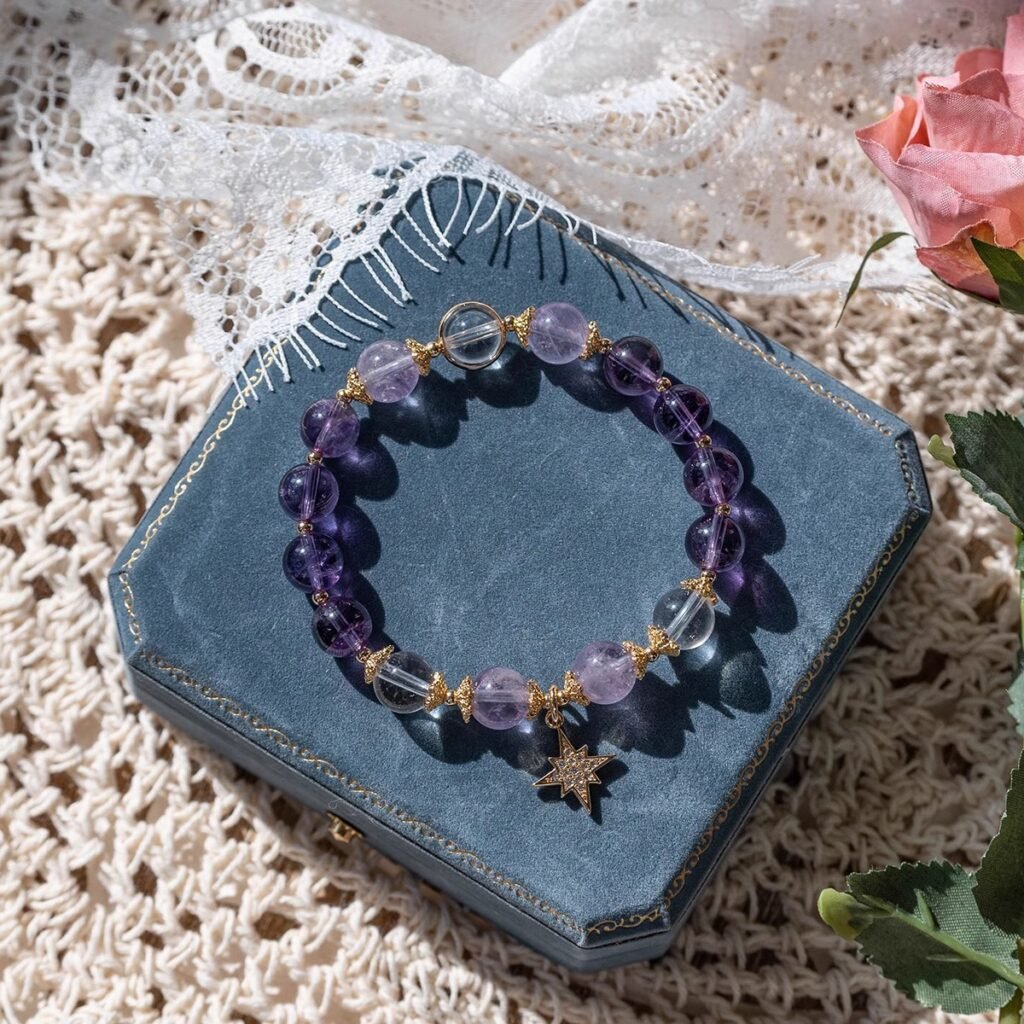
The Vintage Jade Lucky Bracelet with Gold Alloy pairs natural jade beads with gold alloy details and vintage-style scrollwork. Review the product page for confirmed fit, material and care information.
Common Questions
Can a Feng Shui bracelet change my energy?
There is no reliable evidence that a bracelet changes energy or guarantees an outcome. Some people value a piece for symbolism, tradition, or personal meaning.
Will wearing one improve my mindset?
It cannot promise a change in mindset. If you choose, you can use it as a reminder of an action or value that matters to you, while recognizing that the cue is personal.
Which wrist should I wear a Feng Shui bracelet on?
Customs differ, and there is no universal rule for everyone. Choose what feels comfortable unless you are following a particular tradition from a source you trust.
Can I wear more than one bracelet?
You can style more than one if the pieces feel comfortable together and suit your activities. Check that charms or beads do not catch on clothing or scratch other jewelry.
For a balanced discussion of common bracelet claims, read our guide to whether Feng Shui bracelets really work. You can also explore evil eye bracelet symbolism and Pixiu bracelet meaning and care.