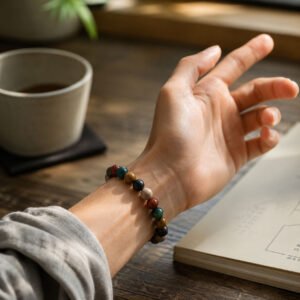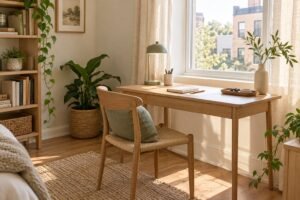

People often look up Feng Shui for emotional balance because they want a home that feels calmer and more considered. Feng Shui offers a cultural way to think about how a place, its layout, and the natural world relate. This guide pairs that context with practical room choices you can make for comfort and daily use.
Feng Shui is a tradition, not a medical treatment or a guarantee of luck. The suggestions here are options for arranging a space and reflecting on personal meaning; they do not promise emotional, financial, or other results.
What Feng Shui means in its cultural context
Feng Shui is commonly described in English as Chinese geomancy: a tradition concerned with the relationship between people, buildings, directions, and the landscape. Ideas about qi belong to traditional Chinese thought. They can help explain how practitioners discuss a place, but they should not be presented as a measured force or a proven way to control personal outcomes.
The Metropolitan Museum of Art’s overview of Chinese gardens describes how historical garden and building placement could follow Feng Shui principles, with attention to landscape and the traditional idea of qi. The same source discusses balance and the arrangement of natural elements in garden design. These examples offer historical context; they do not establish that a bracelet or a room arrangement guarantees health or good fortune. Read the museum’s overview of nature and Feng Shui in Chinese gardens for more detail.
What does emotional balance mean in a home?
In everyday language, emotional balance can mean having enough quiet, order, and comfort to move through ordinary routines. A room cannot resolve every source of stress, and people respond to spaces differently. Still, many people prefer a clear path through a room, a place for frequently used items, and lighting that suits the task at hand.
Feng Shui can be one lens for thinking about those choices. You can respect the tradition while making decisions based on your own needs: how you use the room, what feels welcoming, what is easy to maintain, and what reflects your household. There is no single arrangement that will suit everyone.
Five practical ways to make a space feel more settled
- Clear one route first. Choose a frequently used path—such as the way from the door to a chair or bed—and remove objects that make it difficult to move through. This is a practical comfort and safety step, not a ritual requirement.
- Give everyday items a home. A small tray for keys, a hook for a bag, or a basket for reading materials can make a routine easier to follow. Start with one surface instead of trying to reorganize the entire home at once.
- Adjust the light for the activity. Use a brighter area for reading or preparing for the day and a softer one for winding down if that suits you. Choose lighting you can comfortably use and maintain; do not treat a particular lamp or direction as a promise of luck.
- Notice how the room is used. Move a chair to make conversation easier, keep work materials together, or place a frequently used object where it is easy to reach. Practical function can guide the layout alongside symbolic preferences.
- Use a limited set of visual cues. A favorite artwork, plant, color, or meaningful object may help a space feel personal. Select items because you appreciate them, not because a seller promises that they will change your fortune.
Traditions vary; use guidance thoughtfully
Online Feng Shui advice can present one direction, color, or placement as a rule for everyone. Practices and interpretations vary, and a recommendation may depend on a particular school, home, or personal tradition. If you are following a specific practice, consult a knowledgeable source that explains its context rather than treating an isolated list as universal.
You can also decide that a traditional suggestion does not fit your room. A comfortable walkway, accessible storage, and a layout that works for the people who live there are reasonable priorities. Cultural respect includes being clear about which parts are tradition, which parts are personal preference, and which are ordinary practical choices.
Feng Shui bracelets as personal symbols
A bracelet can carry a meaning that its wearer chooses: a reminder of a goal, a connection to a family tradition, or simply an appreciation of a design. Some contemporary Feng Shui jewelry uses motifs associated in popular practice with prosperity or guardianship. Those are symbolic interpretations, not evidence that wearing jewelry attracts money, protects someone from harm, or changes measurable conditions outside the wearer.
If a bracelet is meaningful to you, you might use it as a small cue to pause before a decision or return attention to an intention you chose. The reminder comes from your own attention and habits; the object does not make a choice or guarantee an outcome. For more background, see our guide to the origins of Feng Shui.
A few jewelry styles to explore
These examples are linked for their designs. Review each listing for its current materials, measurements, care notes, and return terms before purchasing.
Lucky Bracelet Charms
This charm-based style offers several decorative elements in one piece. Consider whether the number and scale of the charms suit your wardrobe and everyday routine.
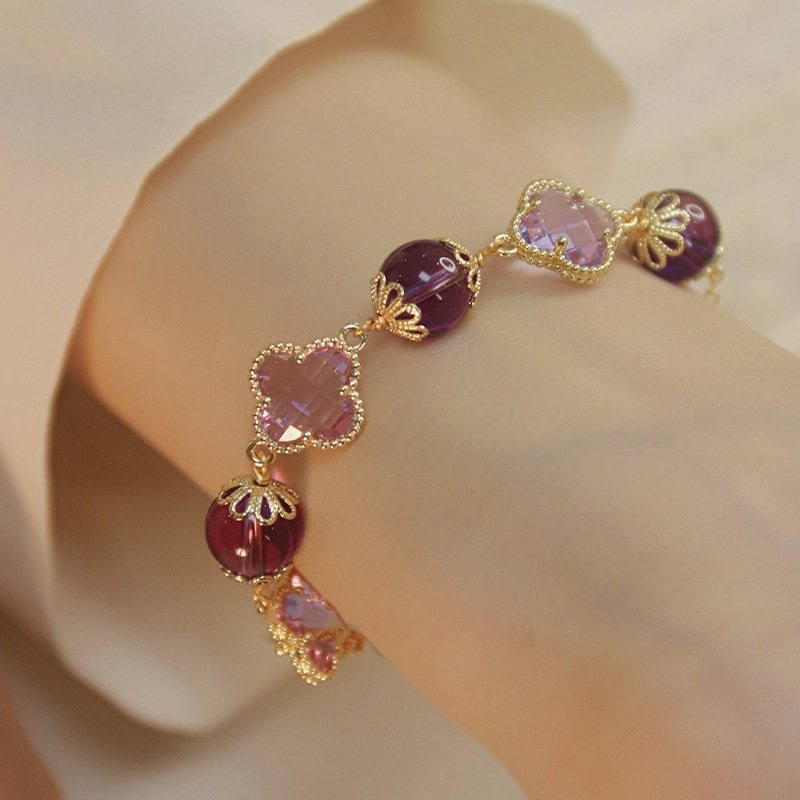
Lucky Charm Bracelet Gold
A gold-colored finish can create a different look from a cord or bead design. Check the product listing for the exact metal and finish details rather than inferring them from the name or photograph.
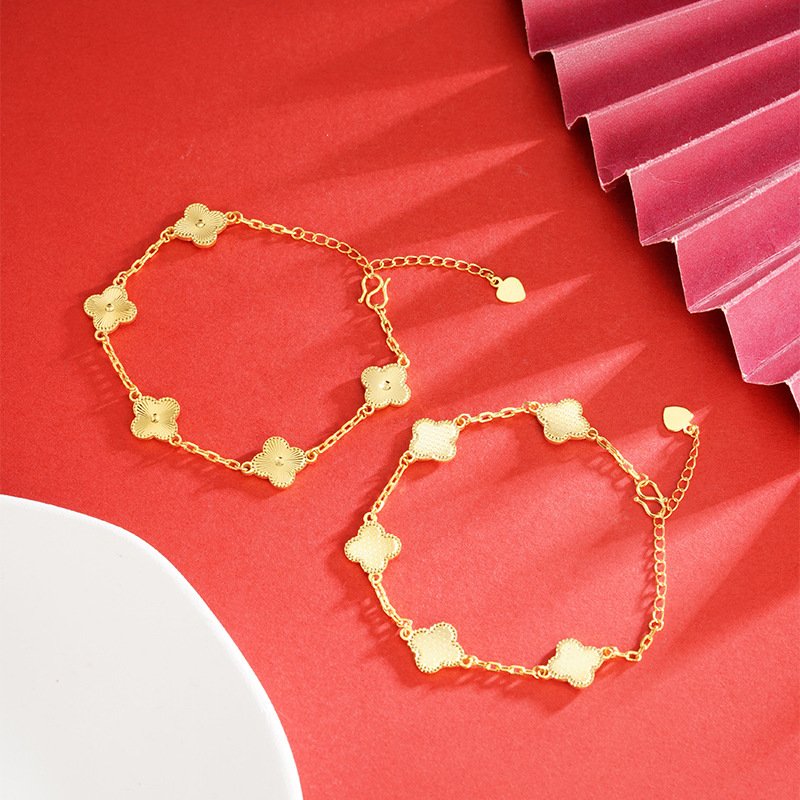
Vintage Jade Lucky Bracelet with Gold Alloy
Green jade beads and vintage-style gold alloy scrollwork give this bracelet a more decorative look. Confirm fit and care instructions on the product page before ordering.
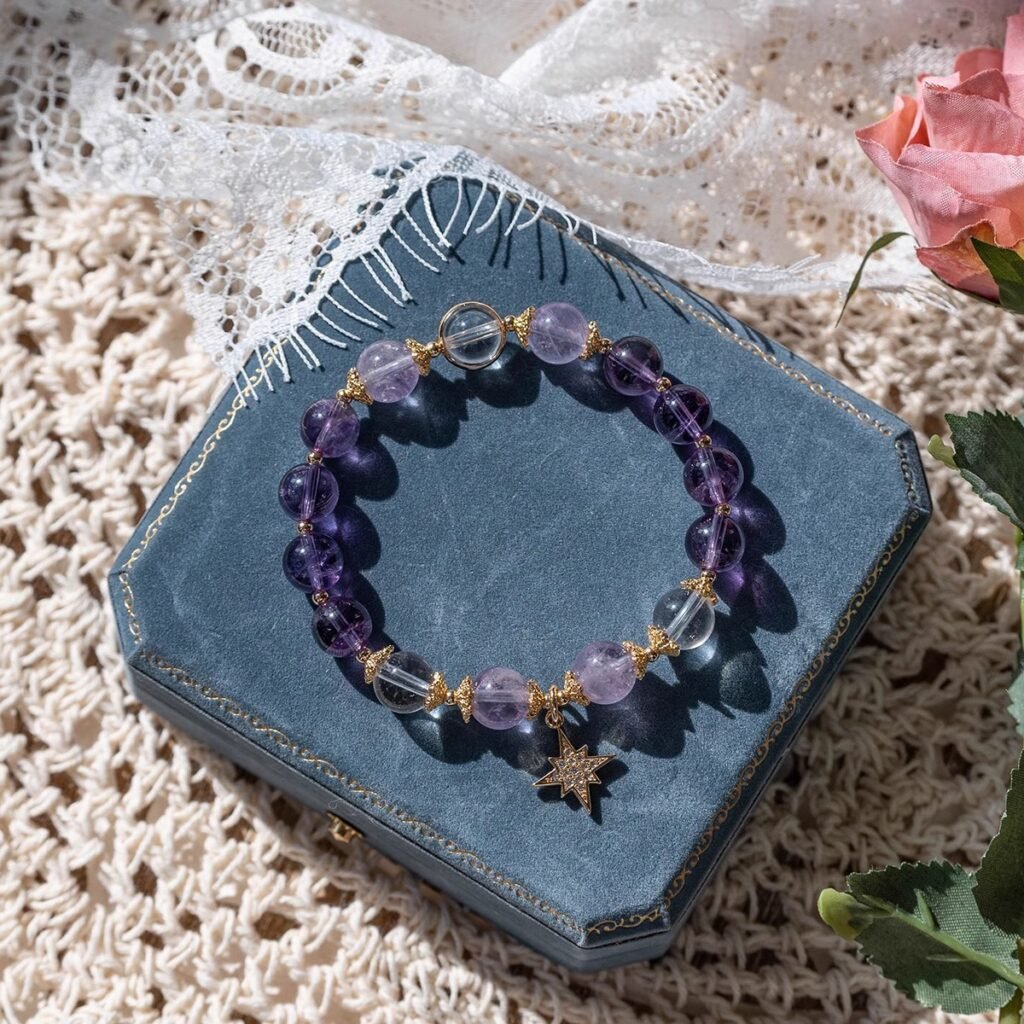
How to choose and care for a bracelet
- Read the listing for material and finish information; ask the seller when a detail is not stated.
- Check the measurements and closure, then choose a fit that feels comfortable and secure.
- Review the care guidance for the actual materials. Do not assume a bracelet is safe for water, heat, chemicals, or ultrasonic cleaning.
- Choose a design because you like wearing it or value its personal symbolism. A product description should not substitute for practical financial, health, or safety decisions.
Frequently asked questions
Can Feng Shui guarantee good luck or emotional balance?
No. Feng Shui is a cultural tradition and a way some people interpret space and symbolism. A room arrangement or bracelet cannot guarantee luck, emotional health, or a particular outcome.
Can Feng Shui replace support for anxiety or other health concerns?
No. Home design and personal rituals are not medical care. If distress is affecting daily life, consider support from a qualified health professional.
Can a bracelet change how events unfold?
There is no established evidence that jewelry controls events or changes measurable conditions outside the wearer. You can wear a bracelet for its design, cultural meaning, or as a personal reminder.
Where should I start with Feng Shui?
Start with one area you use often. Make a small change that improves comfort or function, learn the cultural context of any practice you choose, and keep only the suggestions that suit your space and values.
Feng Shui is most useful here as a thoughtful framework for noticing place, arrangement, and personal meaning. A calmer-feeling room is a goal you can explore through practical choices; good fortune remains uncertain, and no object can promise it.